Can an Empty Pool Pop Out of the Ground? What Bay Area Owners Should Know This El Niño Winter
In this article
- What Is Pool Popping and Why Does an Empty Pool Float?
- Why Does an El Niño Winter Raise the Stakes for Bay Area Pool Owners?
- The Problem Nobody Mentions: Draining Is Usually the Moment a Pool Pops
- How Do Concrete, Vinyl and Fiberglass Pools React When Empty?
- When Is It Safe to Drain a Pool, and When Should You Call a Professional?
- What Does a Pool Popping Case Look Like? A Hypothetical Example
- Can Pool Removal or Fill-In End the Risk for Good?
- Frequently Asked Questions About Empty Pools and Pool Popping
- Is a popped pool the same thing as a cracked or settled pool?
- Can I drain my pool this winter if it is not raining today?
- How long can an in-ground pool stay empty?
- Why do some pools float even when they have a hydrostatic relief valve?
- What affects the cost of repairing a popped pool?
- What should I ask a pool professional before draining?
- Final Thoughts: Plan Your Draining Around the Weather
Direct Answer: Yes, an empty pool can pop out of the ground, and pool popping happens when groundwater pressure beneath the shell becomes greater than the weight of the pool, which is why draining during or right after heavy rain is the riskiest moment.
You have probably heard the terms floating pool, popped pool, pool pop-up and hydrostatic pressure, and wondered whether they describe a real risk or a pool-store scare story. They describe something real, though rare. Pool popping is what happens when an in-ground pool shell lifts out of its excavation, and the usual trigger is an empty pool sitting in wet soil.
This winter makes the question timely. NOAA’s Climate Prediction Center has an El Niño Advisory in effect this fall, and El Niño winters can tilt the odds toward a wetter season in parts of California, though the effect is uneven. That does not guarantee a storm over your street. It does mean you should plan any pool draining with pool popping in mind. We work on pools across Contra Costa and Alameda counties, and we hear this question often when owners start thinking about repairs or about retiring a pool for good.
Here is what we will cover: why pool popping happens to an empty pool, the mistake behind most cases, and how to decide whether to drain now, wait, or call a professional. If you want a second opinion on your own pool, contact our team at 925-940-9978 and we will talk it through.
What Is Pool Popping and Why Does an Empty Pool Float?
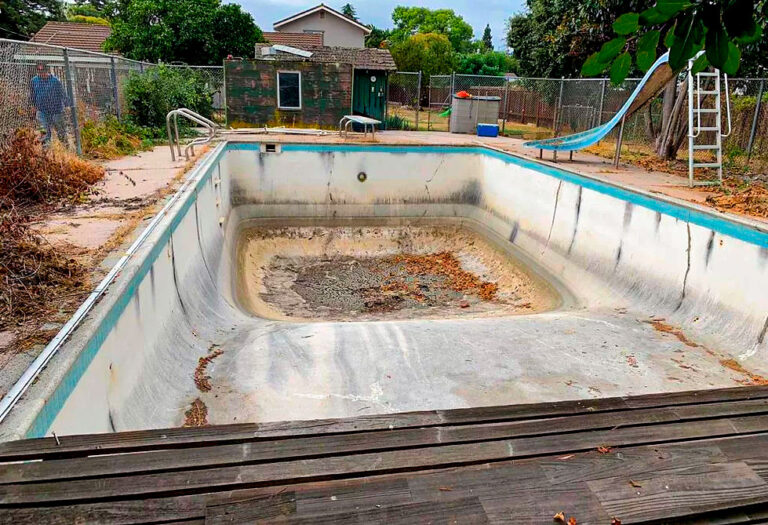
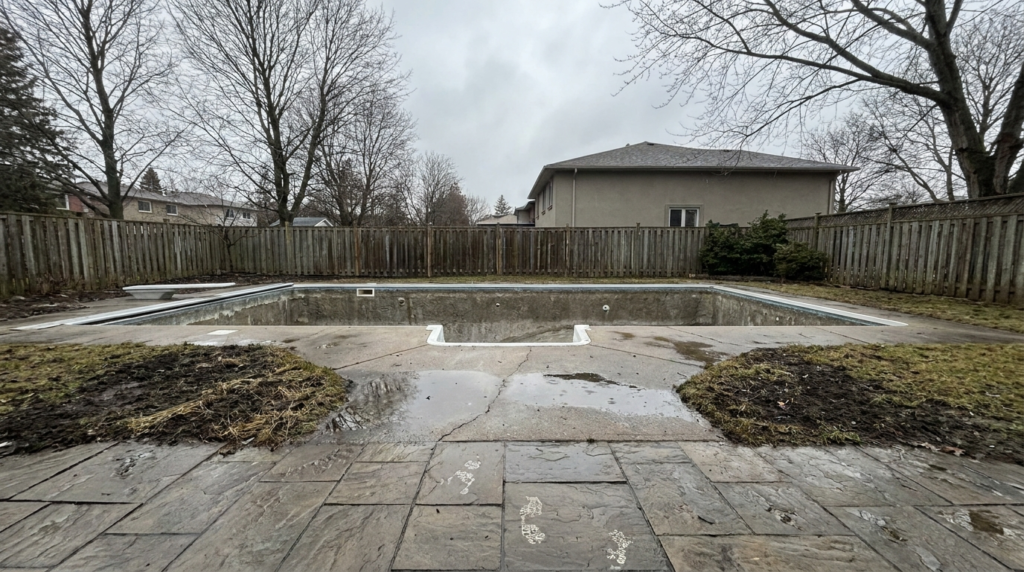
Pool popping is when groundwater pressure pushes an in-ground pool shell upward, much like a boat rising in the water. The pool does not need to be damaged first. It only needs to be light enough, and an empty pool is.
A full pool is heavy. The water inside holds the shell down against the water pressure in the soil below and around it. Drain the pool, and that extra weight disappears while the pressure outside stays right where it was.
Engineers call that outside force hydrostatic pressure. When the pressure under the shell becomes greater than the weight of the pool and whatever water is left in it, the shell can lift, crack, bulge or shift. The dramatic end of that range is pool popping, where the whole shell rises out of the ground.
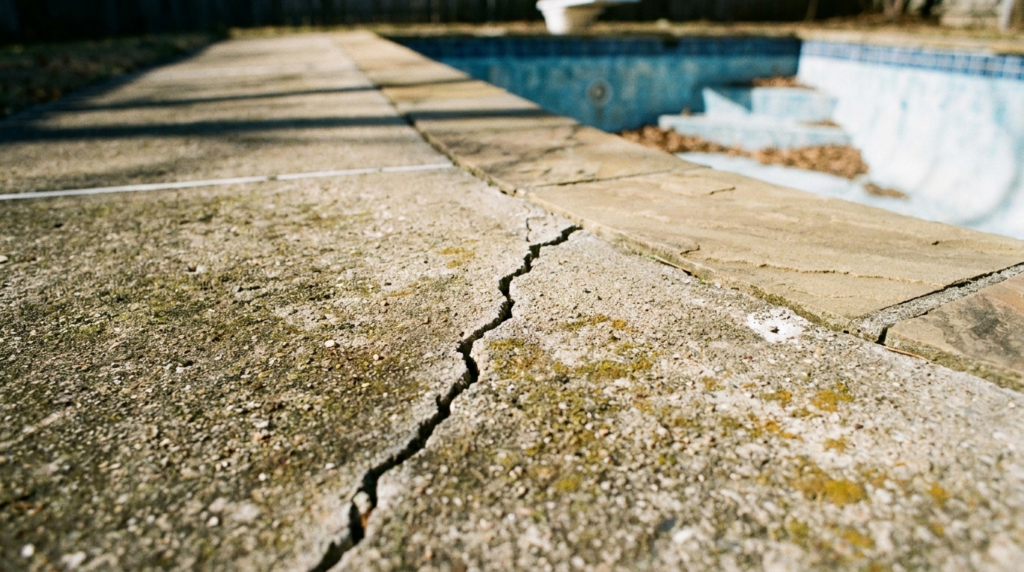
The damage rarely stays inside the shell. When pool popping happens, the movement can snap underground plumbing and electrical lines and crack the deck, pavers or concrete around the pool. You will also hear this called a popped pool or a floating pool. The cause is the same either way.
Why Does an El Niño Winter Raise the Stakes for Bay Area Pool Owners?
Wet soil is what makes pool popping possible, and a rainier winter gives groundwater more chances to rise around your pool. An El Niño pattern does not promise heavy rain. It changes the odds, and you plan around odds.
Groundwater depth is different on every lot. A forecast cannot tell you your number, and neither can a neighbor’s experience. A geotechnical engineer or an experienced pool professional can help you understand what applies to your property.
Timing matters more than the headline forecast. Soil stays saturated after a storm has passed, so the risky window includes the days after the rain, not only the storm itself. Giving the ground time to dry out before you drain is one of the simplest protections you have.
Where the water goes matters too. Pumping thousands of gallons onto the ground beside the pool soaks the soil the same way rainfall does and adds pressure on the shell, which raises the odds of pool popping. Our guide on how to drain a pool in Contra Costa and Alameda counties explains the discharge rules, so we will not repeat them here. This article is about the structural side of the question.
The Problem Nobody Mentions: Draining Is Usually the Moment a Pool Pops
Most pool popping is not a freak accident of nature. It happens because someone emptied the pool at the wrong moment, often with good intentions and a repair on the calendar.
Hydrostatic relief valves are the safety net many owners count on. Many concrete pools have one at the deepest point, designed to let groundwater flow into the pool when pressure builds underneath. The catch is that these valves can stick closed or clog, and a pool can still float when that happens. A valve you have never had checked is a hope, not a guarantee.
Not every pool has a valve either, and an older pool may have one that nobody has looked at in years. That is why the safest habits against pool popping are about timing and planning, not about trusting hardware you cannot see.
Here are five rules that lower your risk:
- Skip draining during or right after heavy rain, and wait for the soil to dry out.
- Find out whether your pool has a relief valve and whether a professional has confirmed it works.
- Keep the empty period as short as the repair allows, and plan the refill before you start.
- Never discharge pumped water right beside the pool.
- Leave valve work, groundwater pumping and sump installation to a pool professional or geotechnical engineer.
Before anyone drains your pool, ask them this: what is the groundwater doing around my pool right now, and what is your plan if it rises while the pool is empty? A confident, specific answer is a good sign. A shrug is not.
How Do Concrete, Vinyl and Fiberglass Pools React When Empty?
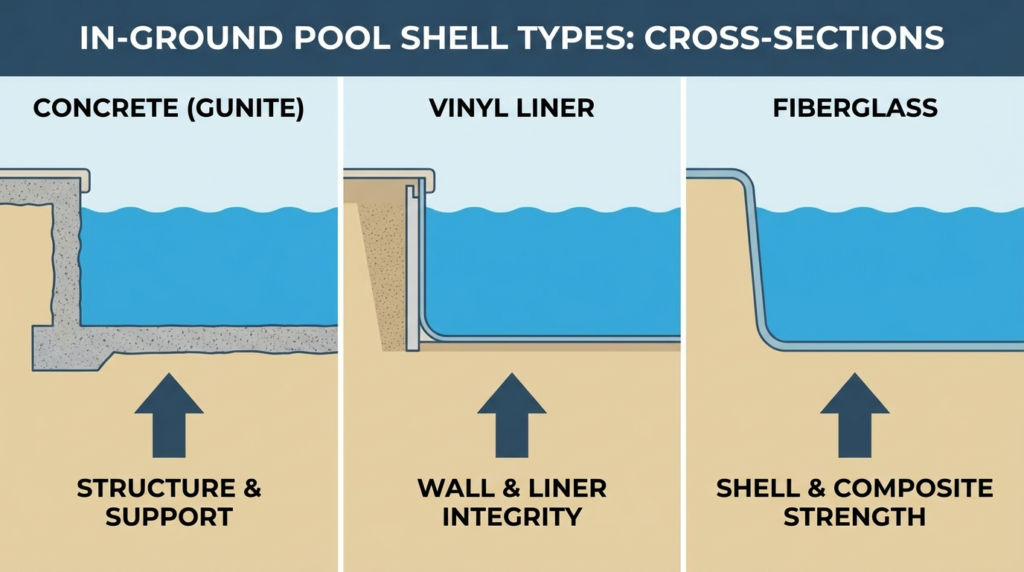
Every in-ground pool type can experience pool popping, but each one shows trouble in a different way. Knowing the signs for your pool type helps you catch a problem early.
- Concrete or gunite pools: The whole shell can lift or crack. The common mistake is assuming the weight of the concrete is enough to keep the pool in place. It is no guarantee, so have the relief valve checked before any draining.
- Vinyl liner pools: Water can get behind the liner, which may float or form bubbles along the bottom. The common mistake is draining for a liner swap right after a rainy stretch.
- Fiberglass pools: The one-piece shell can bulge, warp, crack or get pushed out of position when pressure builds. The common mistake is treating bulging walls as a cosmetic issue instead of a warning sign.
| Pool type | What you may see | Common mistake | Smart first step |
|---|---|---|---|
| Concrete or gunite | Lifted or cracked shell, broken plumbing, cracked deck | Trusting the weight of the concrete | Ask a pro to check the relief valve before draining |
| Vinyl liner | Floating liner, bubbles along the bottom | Draining for a liner swap after rain | Ask a pro to assess groundwater before the swap |
| Fiberglass | Bulging walls, warping, cracks, a shifted shell | Ignoring small wall bulges | Check the installer’s draining guidance before emptying |
Not sure which row describes your pool or how worried you should be? Reach out through our contact page and we will help you sort out your options.
When Is It Safe to Drain a Pool, and When Should You Call a Professional?
Draining is safest when you know the groundwater is not elevated and you have a professional’s plan, and riskiest when you are guessing. You can use two quick lists to decide where you stand.
Safer to move ahead, with a professional’s plan:
- The soil has had time to dry out since the last rain, and no storm is in the forecast.
- A pool professional has confirmed the relief valve works, or has a plan for managing groundwater.
- The work is short and the refill date is already set.
Wait, or call a professional first, if:
- It rained recently or more rain is on the way.
- You do not know the groundwater level at your property.
- Your pool is older and nobody has verified the valve.
- The pool has already shifted, bulged or lifted once.
Safety note: Pool popping can break plumbing and leave an unstable hole beside your deck. If you see cracks, a raised edge or bulging walls, keep people and pets away from the area and call a pool professional right away. Do not try to pump out groundwater or puncture the shell yourself.
What Does a Pool Popping Case Look Like? A Hypothetical Example
This is an illustrative scenario, not a real customer story. A homeowner in Pleasanton decides to drain her pool in early December to patch the plaster. It rained over the weekend, more rain is forecast for later in the week, and she pumps the water onto the lawn right beside the pool. By midweek, a crack opens along the deck and part of the pool floor begins to lift.
Three things stacked up. The soil was wet, the shell was empty, and the discharge water was soaking the ground next to the pool. Any one of those is manageable. Together they create the conditions for pool popping.
Preventing pool popping in this scenario is simple. Waiting for a dry stretch, asking a professional to check the valve and the groundwater, and sending the water well away from the pool would each have lowered the risk. Planning takes an afternoon. Recovery takes much longer.
Some owners who face a damaged shell decide it is time to retire the pool altogether. That is a reasonable choice, but it is not the only one, and we will cover both sides next.
Can Pool Removal or Fill-In End the Risk for Good?
Yes, a pool that has been removed or filled in no longer has a hollow shell that groundwater can lift, so pool popping is no longer a risk. The pool is gone, and so is the question of when to empty it.
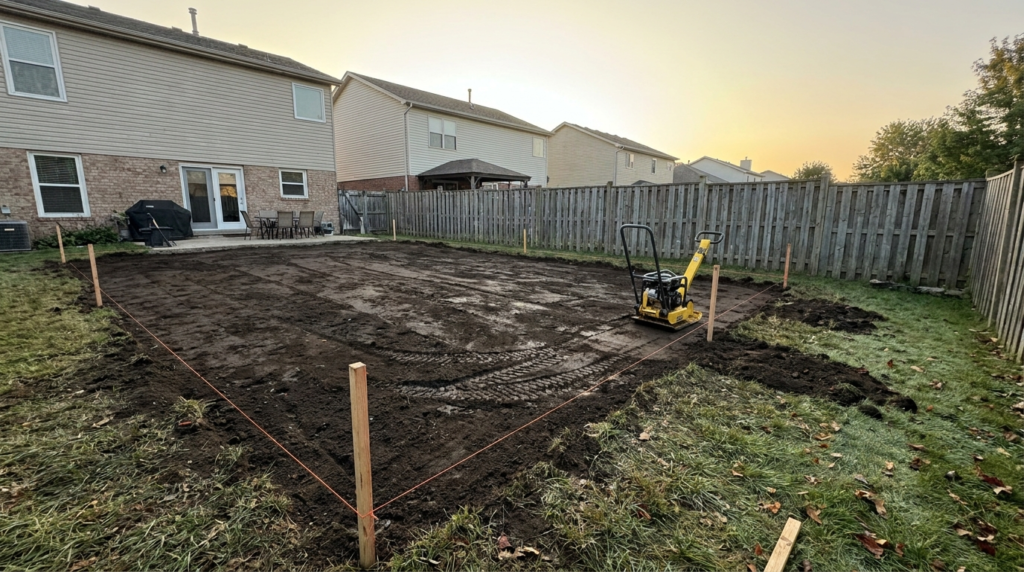
That does not mean you should remove a pool just because this risk exists. Many owners keep their pools for many years by draining rarely and with a plan. Removal tends to make sense when you no longer use the pool, when repairs keep piling up, or when you would rather have the yard back for a patio, a garden or a play area in Walnut Creek, Concord or anywhere else in the Bay Area.
We handle pool removal and fill-in across Contra Costa and Alameda counties. Our pool fill-in blog collects guides that explain how fill-in and full removal differ, and our FAQ page answers common questions about how the process works. For draining, valve checks and groundwater management on a pool you plan to keep, an experienced pool professional is the right call.
You can also see how past customers describe working with us on our Yelp profile, and follow our work on Facebook and Instagram.
Frequently Asked Questions About Empty Pools and Pool Popping
Is a popped pool the same thing as a cracked or settled pool?
No. Settling is slow movement of the soil under or around a pool over time. A popped pool is a sudden lift caused by groundwater pressure pushing up on a shell that has become too light. The two can leave similar cracks, so a professional should look at the cause before you repair the damage.
Can I drain my pool this winter if it is not raining today?
Not raining today does not mean the ground is dry. Soil can stay saturated for days after a storm, and more rain may be on the way. If you do not know your groundwater level and have not had the relief valve checked, ask a pool professional to confirm the timing before you drain.
How long can an in-ground pool stay empty?
As short a time as the repair allows. The longer a pool sits empty, the more weather it has to go through, and winter weather can change the groundwater picture quickly. Plan the refill before you start draining, and avoid leaving a pool empty through a rainy stretch.
Why do some pools float even when they have a hydrostatic relief valve?
A valve only works if it opens. Relief valves can stick closed or clog over the years, and a pool that depends on one can still float when the valve fails. Having a professional check the valve before any draining is much better than assuming it works.
What affects the cost of repairing a popped pool?
The biggest factors are how far the shell moved, how much underground plumbing and electrical work was broken, and how much deck or paving has to be removed and replaced. The pool type and the condition of the shell also matter. A professional assessment of your specific pool is the only reliable way to understand the scope.
What should I ask a pool professional before draining?
Ask five things. Does my pool have a relief valve, and does it work? What is the groundwater doing around my pool right now? Where will the discharge water go? How long will the pool be empty? What is your plan if it rains or groundwater rises while the pool is empty? Clear answers to all five are a sign you are in good hands.
Final Thoughts: Plan Your Draining Around the Weather
An empty pool can pop out of the ground, but it usually takes a specific mix of wet soil, an empty shell and a poorly timed draining. If you wait for dry ground, confirm your valve, and move discharge water away from the pool, you remove most of that risk. In an El Niño winter, that planning matters more than usual, and pool popping is far easier to prevent than to repair.
If you are weighing whether to keep your pool or retire it, we are happy to talk it through. Get in touch with Bye Bye Pool, call 925-940-9978, or stop by 4918 Clayton Rd, Concord, CA 94521 during our business hours.