Inground Pool Removal vs. Above Ground: Are the Costs That Different?
Did you know that removing a pool can cost anywhere from $1,500 to over $20,000 depending on the type you have? If you’re trying to understand the inground vs above ground pool removal cost difference, you’re not alone — thousands of homeowners research this every year before making one of the most impactful decisions for their property. Whether your pool is aging, becoming a liability, or simply no longer fits your lifestyle, knowing what to expect financially puts you in control. In this guide, you’ll get a complete breakdown of costs, methods, timelines, and everything in between. Keep reading to discover how to make the smartest, most cost-effective decision for your home.
If you’re ready to skip the research and get a professional opinion, request your free quote from Bye Bye Pool today.
What Is Pool Removal and Why Does It Matter?
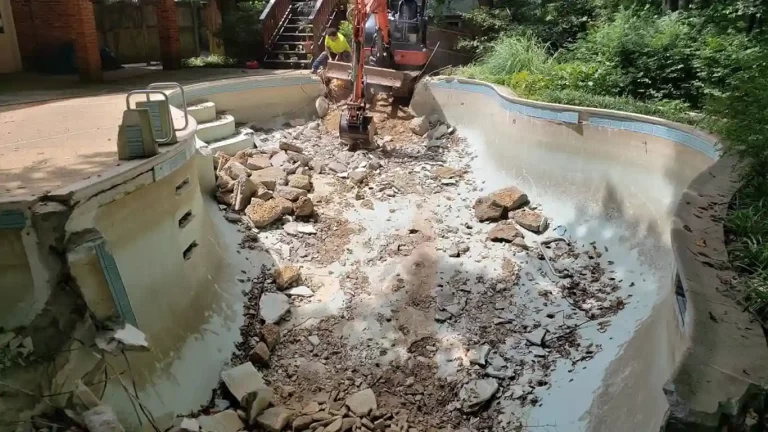
Pool removal is the process of demolishing and disposing of a swimming pool — either partially or completely — and restoring the land to a usable state. Whether inground or above ground, the process involves labor, equipment, debris hauling, and site backfill.
Understanding the inground vs above ground pool removal cost difference matters for several reasons. It affects your home’s resale value, your property taxes, your insurance premiums, and your yard’s potential for future use. Making an uninformed decision can cost you thousands of extra dollars or create problems down the road, such as land settling or permit violations.
At Bye Bye Pool, based in Concord, CA, the team has helped hundreds of homeowners navigate this exact decision. Their expertise covers both pool types and every demolition method in between.
Above Ground Pool Removal: What You’re Actually Paying For
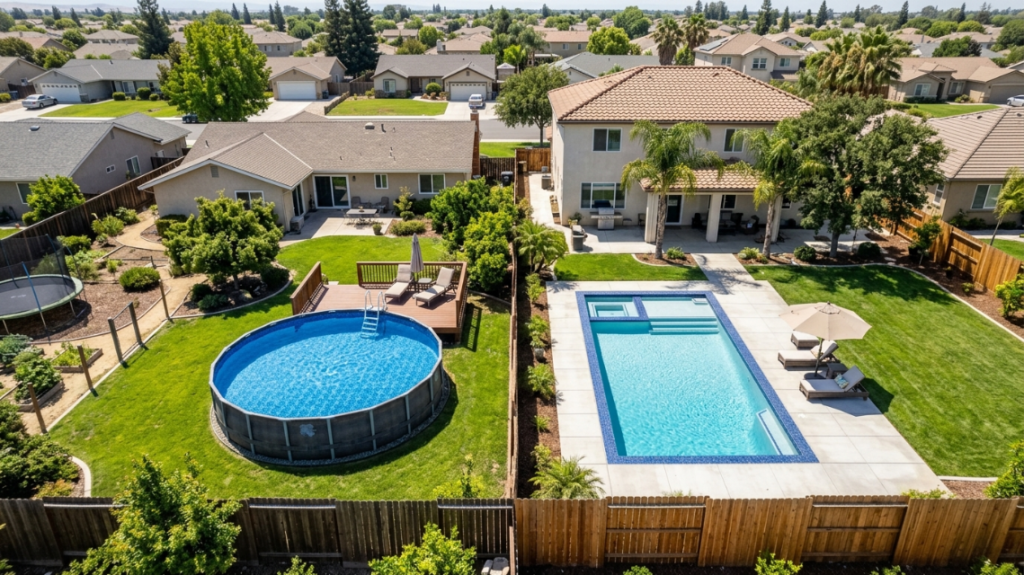
Above ground pool removal is the more straightforward and affordable of the two options. Most above ground pools are made of steel, aluminum, or resin walls with a vinyl liner, sitting on a sand or foam base.
What the Cost Covers
When you hire a professional for above ground pool removal, your cost typically includes:
- Draining and disconnecting the pool
- Dismantling the frame, liner, and decking
- Hauling away all materials
- Grading and restoring the ground surface
The average cost falls between $1,500 and $5,000. For smaller pools (under 15 feet in diameter), you may pay as little as $1,200. For larger pools with attached decking or filtration systems, costs can push toward $6,000.
DIY vs. Professional Above Ground Removal
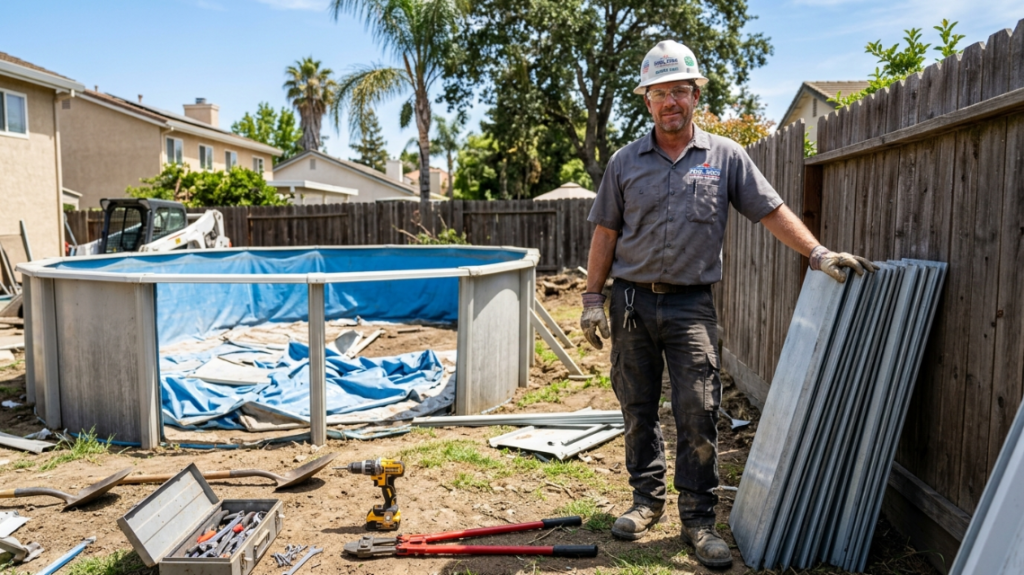
Some homeowners attempt DIY removal for above ground pools, which can reduce costs to just $200–$600 in dump fees. However, this approach comes with risks: improper disposal, injury from sharp metal components, and electrical hazards from connected filtration systems.
Hiring a professional team like Bye Bye Pool ensures the job is done safely, efficiently, and with full cleanup included. Customers consistently highlight the team’s professionalism in reviews.
One verified Google review reads: “Fast, professional, and fair pricing. They removed our above ground pool in one day and left the yard looking great. Would absolutely recommend Bye Bye Pool to anyone.”
Inground Pool Removal: Why Costs Are So Much Higher
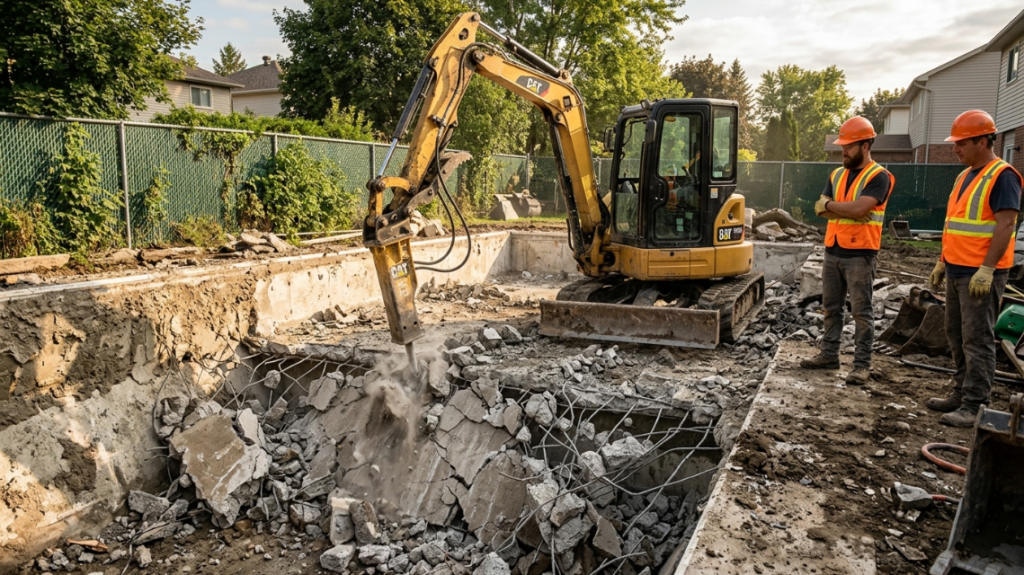
The inground vs above ground pool removal cost difference becomes most apparent when you examine what inground removal actually involves. Inground pools are constructed from concrete (gunite or shotcrete), fiberglass, or vinyl-lined steel walls sunk into an excavated hole. Removing them requires heavy machinery, structural demolition, and significant backfill work.
Two Methods: Partial vs. Full Removal
Also called “pool fill-in” or “partial demolition,” this method involves:
- Punching holes in the bottom of the pool for drainage
- Breaking up the top 18–36 inches of the pool shell
- Filling the remaining shell with gravel, sand, and soil
- Compacting and grading the surface
Cost: $5,000 – $10,000
Partial removal is faster and cheaper, but it comes with a disclosure requirement in most states. When you sell your home, you must inform buyers that a pool was filled in place. Some buyers and lenders are cautious about potential soil settling.
Full Removal (Complete Excavation)
Full removal means:
- Breaking up and removing the entire pool shell
- Excavating all remaining material
- Backfilling with clean, compacted fill
- Full site restoration
Cost: $9,000 – $20,000+
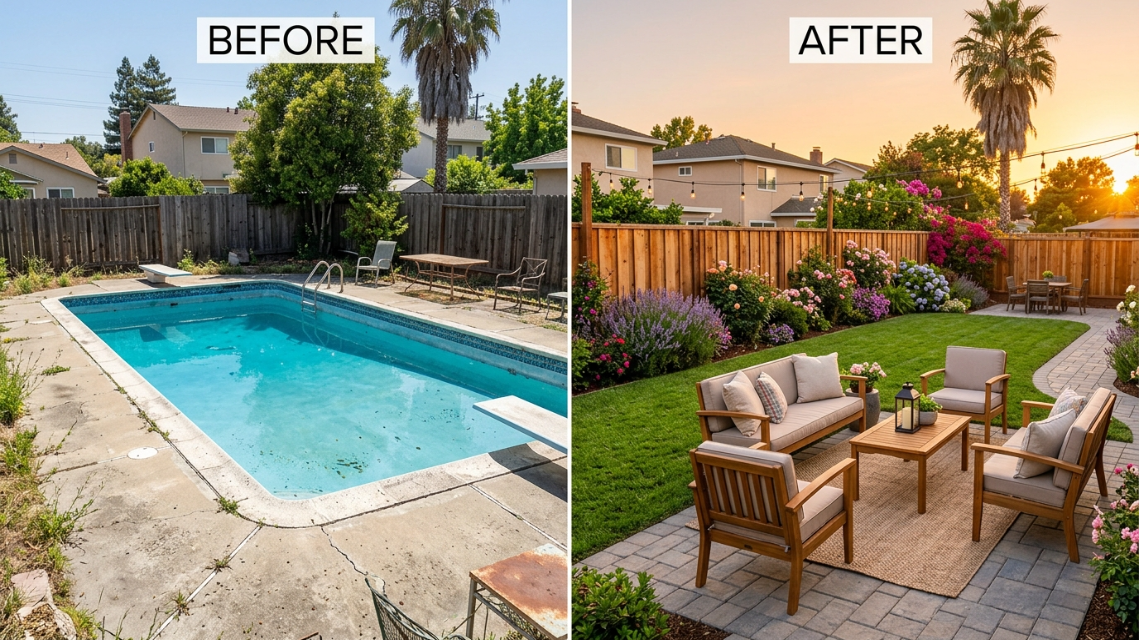
Full removal adds the most value to your property and eliminates all future concerns about settling or disclosure. It is the preferred method when homeowners plan to build an addition, plant a garden, or sell their home in the near future.
Learn more about Bye Bye Pool’s full removal process here.
Key Factors That Affect the Inground vs Above Ground Pool Removal Cost Difference
Beyond the pool type itself, several variables influence the final price. Understanding these helps you get accurate quotes and avoid surprises.
Pool Size
Larger pools require more labor, more equipment time, and more fill material. A 12×24 foot pool costs considerably less to remove than a 20×40 foot pool.
Pool Material
- Concrete/Gunite: Most expensive to demolish due to hardness and weight
- Fiberglass: Easier to cut and remove, slightly lower cost
- Vinyl-lined: Liner removal adds a step but overall cost is moderate
Accessibility
If your pool is in a tight backyard with limited entry points for machinery, contractors may need to use smaller equipment or hand-demolish sections — both of which increase labor costs. This is a commonly overlooked element of the inground vs above ground pool removal cost difference.
Permit Fees
Most municipalities require permits for inground pool removal. Permit costs range from $100 to $500 depending on your location. Concord, CA, for example, has specific requirements for both demolition and site restoration.
Debris Disposal
Concrete and gunite generate massive amounts of debris. Some contractors include hauling in their quote; others charge separately. Always confirm disposal is included before signing.
Utility Disconnection
Gas heaters, electrical systems, and water lines must be properly capped and disconnected. If your pool has a complex plumbing or gas setup, this adds $200–$800 to the project.
Real Cost Examples: Inground vs Above Ground in the Bay Area
To make the inground vs above ground pool removal cost difference more tangible, here are two real-world examples from Concord and the surrounding Bay Area.
Case Study 1 — Above Ground Pool, Concord, CA
A homeowner in Concord had a 15-foot round above ground pool that was 12 years old. The liner had cracked and the steel frame was rusting. Bye Bye Pool completed the full removal in one day. Total cost: $2,200. The yard was graded and ready for landscaping the following weekend.
Case Study 2 — Inground Concrete Pool, Walnut Creek, CA
A couple in Walnut Creek had a 16×32 foot concrete pool that hadn’t been used in five years. They chose full removal because they wanted to add a guest house. The job required a mini-excavator, three crew members, and two full days of work. Total cost: $12,800, including permits and backfill. The couple later wrote on Yelp: “Bye Bye Pool was transparent about the costs from the very beginning. No hidden fees, no surprises. They transformed our yard completely.”
You can read more verified reviews on Yelp and Google Maps.
How Location Affects the Inground vs Above Ground Pool Removal Cost Difference
Where you live plays a significant role in what you’ll pay. Labor costs vary dramatically between rural and urban markets. In the San Francisco Bay Area — including Concord, Walnut Creek, Pleasant Hill, and Martinez — labor costs are higher than the national average, which means both inground and above ground removal will trend toward the top of national price ranges.
That said, the inground vs above ground pool removal cost difference remains proportionally similar regardless of region. Inground removal will almost always cost three to six times more than above ground removal in the same market.
Bye Bye Pool serves multiple cities across California. If you’re located in or near Concord, you can also explore the dedicated Concord pool demolition service page to see local pricing guidance.
Does Pool Removal Increase Home Value?
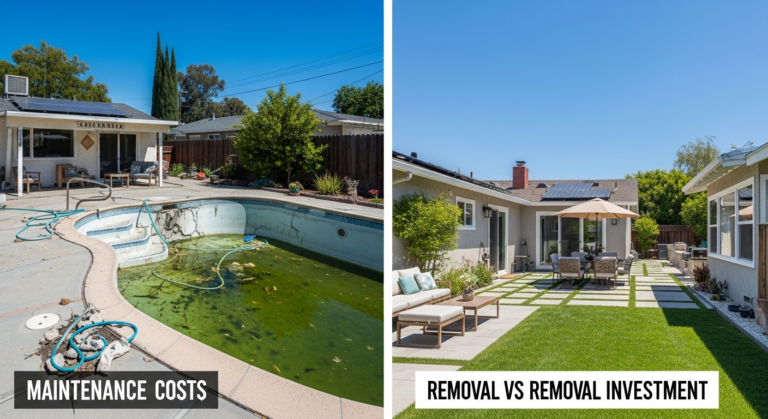
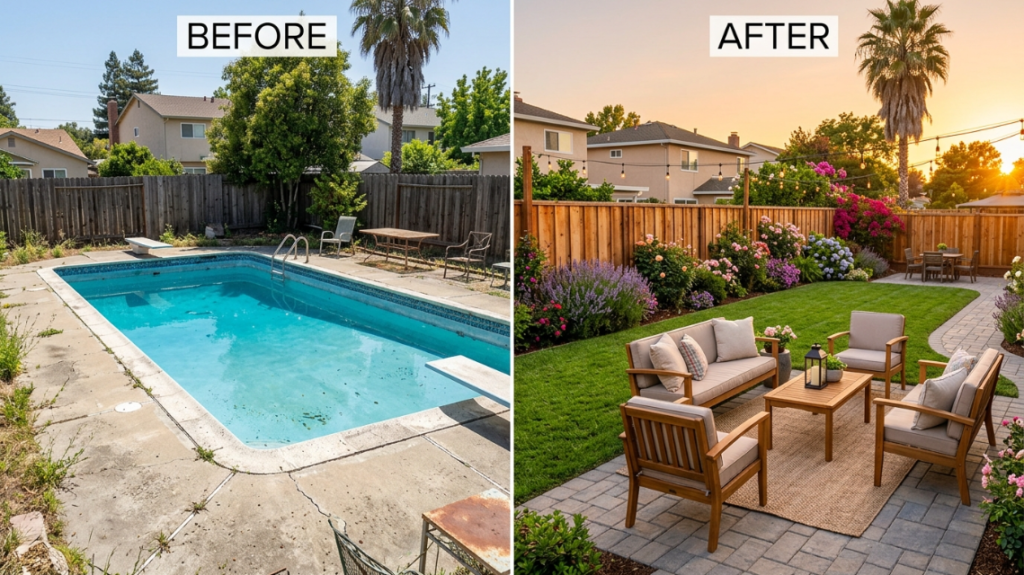
This is one of the most common questions homeowners ask, and the answer depends on your market. In most California neighborhoods, pools can be both an asset and a liability. Families with young children often view pools as safety risks. Buyers focused on yard space may prefer a clean, usable lawn.
According to data from HomeAdvisor and Angi, full inground pool removal can increase a home’s marketability in suburban neighborhoods by eliminating buyer objections related to maintenance costs and safety.
For above ground pools, removal almost always improves curb appeal and yard usability without significant cost, making it one of the highest ROI home improvement moves available.
Common Mistakes Homeowners Make When Comparing Pool Removal Costs
Understanding the inground vs above ground pool removal cost difference means avoiding the traps that lead to overpaying or project headaches.
Mistake 1: Getting only one quote Always get at least three quotes. The range between contractors can be $3,000–$5,000 for inground jobs.
Mistake 2: Choosing partial removal without understanding the resale implications Partial fill-in is cheaper upfront but may reduce buyer confidence when you sell. Consult a real estate agent before choosing this method.
Mistake 3: Forgetting permit costs Many homeowners budget for demolition but forget that permits, inspections, and utility disconnections are separate line items.
Mistake 4: Assuming DIY is safe for inground pools Inground pool demolition involves concrete breaking, excavation, and underground utilities. This is not a DIY project. Always hire a licensed contractor.
Mistake 5: Not asking about soil compaction and settling A poorly backfilled pool site will settle unevenly over time. Ask your contractor specifically how they compact and layer the fill material.
How to Get an Accurate Quote for Pool Removal
When contacting contractors to understand your specific inground vs above ground pool removal cost difference, come prepared with the following information:
- Pool type (inground or above ground)
- Pool dimensions (length, width, depth)
- Pool material (concrete, fiberglass, vinyl)
- Presence of attached spa, water features, or decking
- Accessibility of your backyard
- Whether you want partial or full removal
- Your city and zip code (for permit research)
The more detail you provide, the more accurate your estimate will be. At Bye Bye Pool, the team offers free, no-obligation on-site assessments to give you a transparent quote before any work begins.
Schedule your free assessment with Bye Bye Pool today.
Frequently Asked Questions
Q1: What is the average inground vs above ground pool removal cost difference? On average, above ground pool removal costs $1,500 to $5,000, while inground pool removal ranges from $5,000 to $20,000 or more. The difference is driven by excavation complexity, material type, and site restoration requirements. The inground vs above ground pool removal cost difference typically amounts to $5,000 to $15,000 depending on the project.
Q2: Is it cheaper to fill in an inground pool rather than remove it completely? Yes. Partial fill-in (pool abandonment) costs $5,000–$10,000 compared to $9,000–$20,000 for full removal. However, partial removal requires disclosure at time of sale and carries a long-term risk of soil settling.
Q3: Do I need a permit to remove an above ground pool? In most jurisdictions, above ground pool removal does not require a permit. However, disconnecting electrical or gas components may require an inspection. Always check with your local building department to be sure.
Q4: How long does inground pool removal take? Partial removal typically takes 2–4 days. Full removal of a standard residential inground pool takes 3–7 days depending on size, material, and crew availability.
Q5: Will removing my pool increase my property value? In most suburban markets, removing an unused pool — especially inground — can improve marketability and eliminate buyer objections. The impact on appraised value varies by neighborhood and buyer demographics.

Conclusion
The inground vs above ground pool removal cost difference is real, significant, and tied to factors that go far beyond the size of your pool. Above ground removal is fast, affordable, and often completable in a single day. Inground removal is a larger investment that pays off in property value, safety, and peace of mind — especially when done by an experienced, licensed contractor.
Whether you have a rusting above ground pool or a cracked concrete inground pool you haven’t used in years, the smartest first step is getting a transparent quote from a team that knows your local market.
Ready to reclaim your backyard in Concord or anywhere in the Bay Area? Contact Bye Bye Pool today for your free, no-obligation estimate and take the first step toward a yard you actually love.
You can also learn more about the company’s background and service philosophy on the About page, browse all service areas, or visit the FAQ page for more answers to common questions.
Follow Bye Bye Pool on Facebook and Instagram for project photos and local updates.
Bye Bye Pool 4918 Clayton Rd, Concord, CA 94521, United States Phone: +1 (925) 940-9978 Email: byebyepool.com@gmail.com Office Hours: Monday–Friday 9 AM–5 PM | Saturday 9 AM–2 PM