What Does “Site Restoration” Mean in Pool Removal?
Ever wondered what actually happens to your backyard after the demolition crew leaves?
Roughly 1 in 5 California pool owners eventually removes an aging pool rather than repairing it, and for nearly all of them, the biggest unknown isn’t the demolition itself it’s what comes after.
That’s exactly what does site restoration mean pool removal projects are really about, and it’s the part of the process that determines whether your yard ends up usable or unstable.
In this guide, Bye Bye Pools walks you through the full site restoration process, from permits to final grading, so you know exactly what to expect. Keep reading to find out how a properly restored site protects your property for years to come.
What Does Site Restoration Mean Pool Removal, Exactly?
To answer what does site restoration mean pool removal in plain terms: site restoration is everything that happens after the pool structure is broken apart and hauled away. It covers draining, demolition, backfilling with engineered material, compacting the soil in layers, and grading the surface so water drains away from your home instead of pooling in the yard. Without proper restoration, an empty excavation is just a liability waiting to happen.
Why Site Restoration Matters After Pool Removal
A rushed or incomplete restoration is the number one reason backyards develop problems months or even years after a pool is removed. Sunken patches, cracked patios, and standing water are almost always traced back to loose or improperly compacted fill. This is why understanding what does site restoration mean pool removal matters just as much as choosing the right demolition method the visible work is only half the project.
Proper restoration also protects resale value. Buyers and appraisers can usually tell the difference between a professionally restored yard and a quick, low-cost fill job, especially once landscaping or hardscaping is added on top.
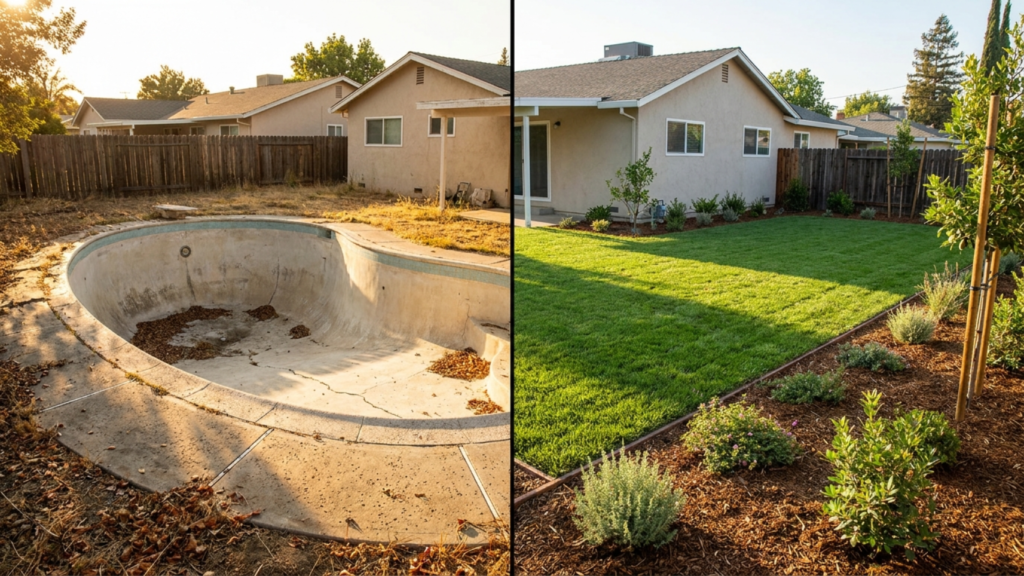
For homeowners near downtown Concord, the payoff is easy to picture: a stable, level yard just minutes from Todos Santos Plaza and the Concord Pavilion, ready for weekend gatherings instead of a fenced-off hazard. That local context is part of what does site restoration mean pool removal in a city where outdoor living space is genuinely used year-round.
How Site Restoration Works: Step-by-Step
1. Site Assessment and Permitting
Every project starts with an inspection of access points, pool materials, depth, and drainage needs, followed by permit submission to the City of Concord or the relevant local jurisdiction. Skipping this step is illegal in most municipalities and can lead to fines or a forced re-do later.
2. Draining and Structural Demolition
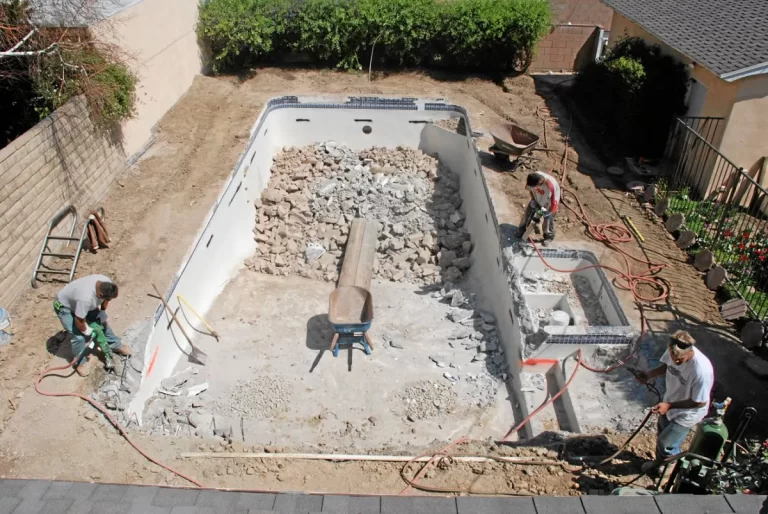
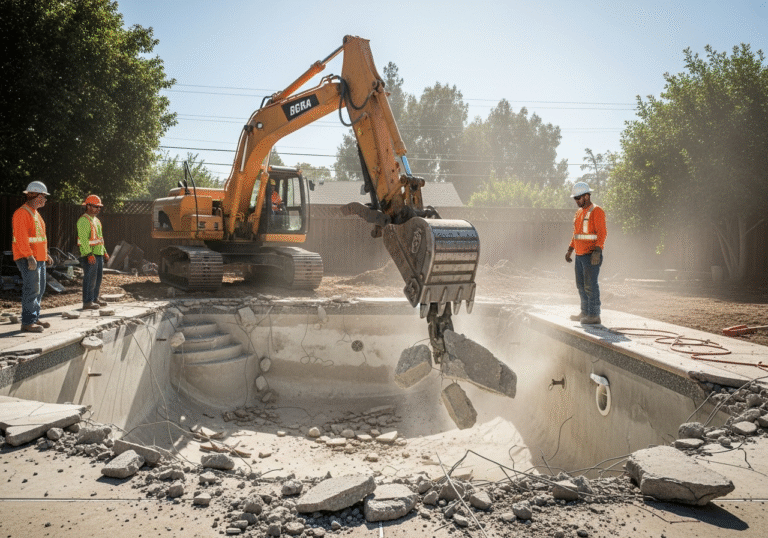
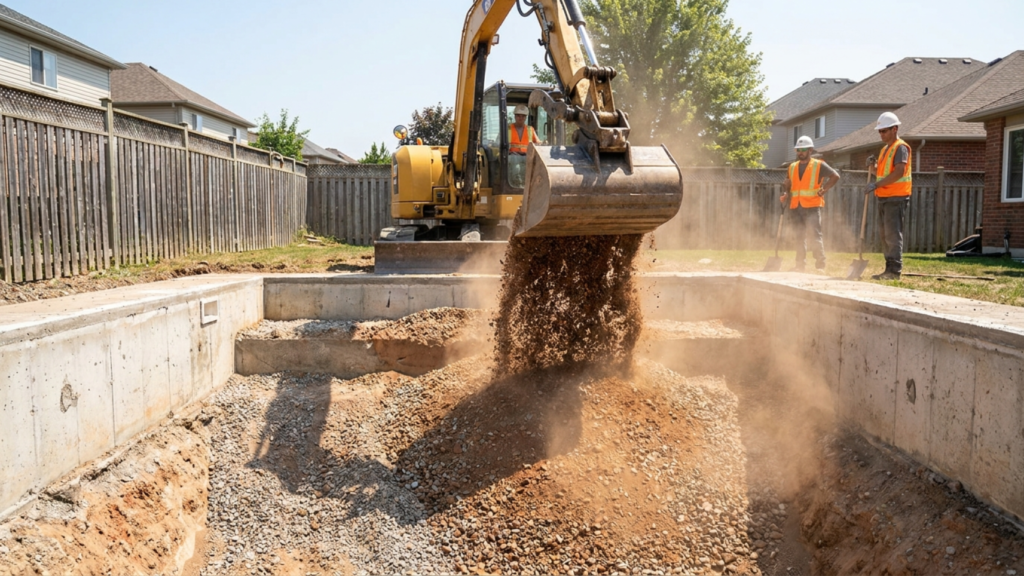
The pool is drained according to local water discharge regulations, then the shell is mechanically broken apart. Depending on local code, this may be a full removal (entire structure removed) or a partial removal (holes punched through the floor for drainage while portions of the walls stay in place).
3. What Does Site Restoration Mean Pool Removal Regulations Require?
Local building departments typically require proof that plumbing and electrical lines tied to the old pool have been capped or disconnected before backfilling begins. In many Bay Area cities, including Concord, a final inspection confirms the site meets code before it’s considered legally restored.
4. Backfill and Compaction
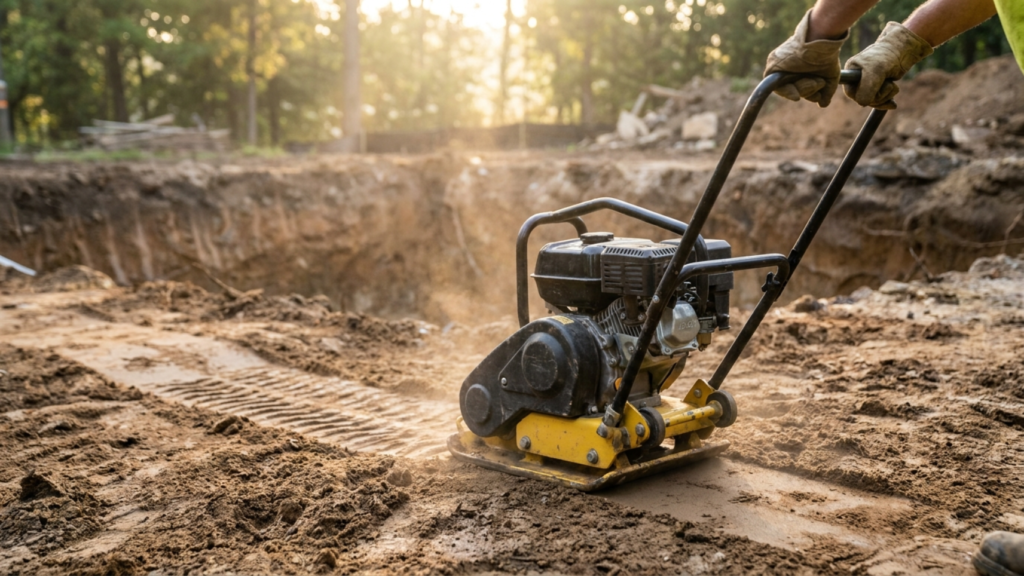
This is the heart of what does site restoration mean pool removal in practice. Crews add clean fill material, often a blend of crushed rock at the base and soil above it, in shallow layers called lifts. Each lift is mechanically compacted before the next is added, which is what prevents the ground from settling unevenly later.
5. Final Grading
The surface is graded so water flows away from the foundation, sheds, and fences rather than collecting in the old pool footprint. This step is easy to overlook but critical for long-term drainage.
Practical Tips and Real Examples
Homeowners often ask how they can tell if a restoration was done correctly. A few practical signs of quality work include even ground with no soft or spongy spots, visible grading that slopes away from the house, and documentation showing permit sign-off and inspection approval. Asking a contractor directly, “what does site restoration mean pool removal completion look like on my property specifically,” is a fair question, and any reputable company should be able to answer it with a clear walkthrough.
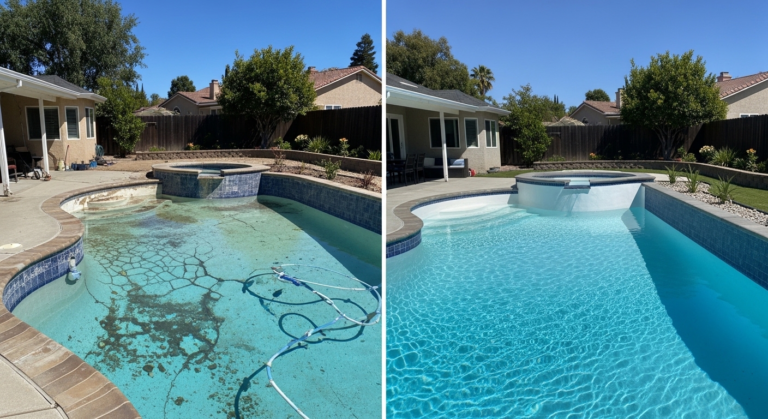
Bye Bye Pools has completed hundreds of restorations throughout Concord and the greater Bay Area since 2006. One recurring pattern the team sees: homeowners who postpone removal on an aging, leaking pool often spend more on repairs and rising water bills over a few years than they would on a full removal and restoration, especially once the pool is more than several decades old and starting to develop structural leaks.
Common Mistakes to Avoid
- Skipping permits. Unpermitted fill work can surface during a home sale and force costly corrective action.
- Using loose, uncompacted fill. This is the single biggest cause of a settled or sunken yard.
- Ignoring drainage grading. Water pooling near the foundation can lead to far more expensive problems than the pool removal itself.
- Choosing the cheapest bid without checking licensing. Ask for a valid contractor license number and proof of insurance before signing anything.
Avoiding these mistakes is really the practical answer to what does site restoration mean pool removal done correctly versus done poorly.
Equipment and Professionals Involved in the Restoration
Understanding what does site restoration mean pool removal equipment involves helps set expectations for the work happening in your yard. A typical project uses excavators for demolition, compaction plates or rollers for the fill layers, and laser-guided grading tools for the final surface. Licensed, insured crews not general labor should operate this equipment, since improper compaction technique is difficult to correct after the fact.

Case Study: A Concord Backyard Transformation
One Concord homeowner had an aging concrete pool that a leak-detection company identified as having multiple structural leaks. Rather than continue repairing it, the family chose a full removal and restoration with Bye Bye Pools.
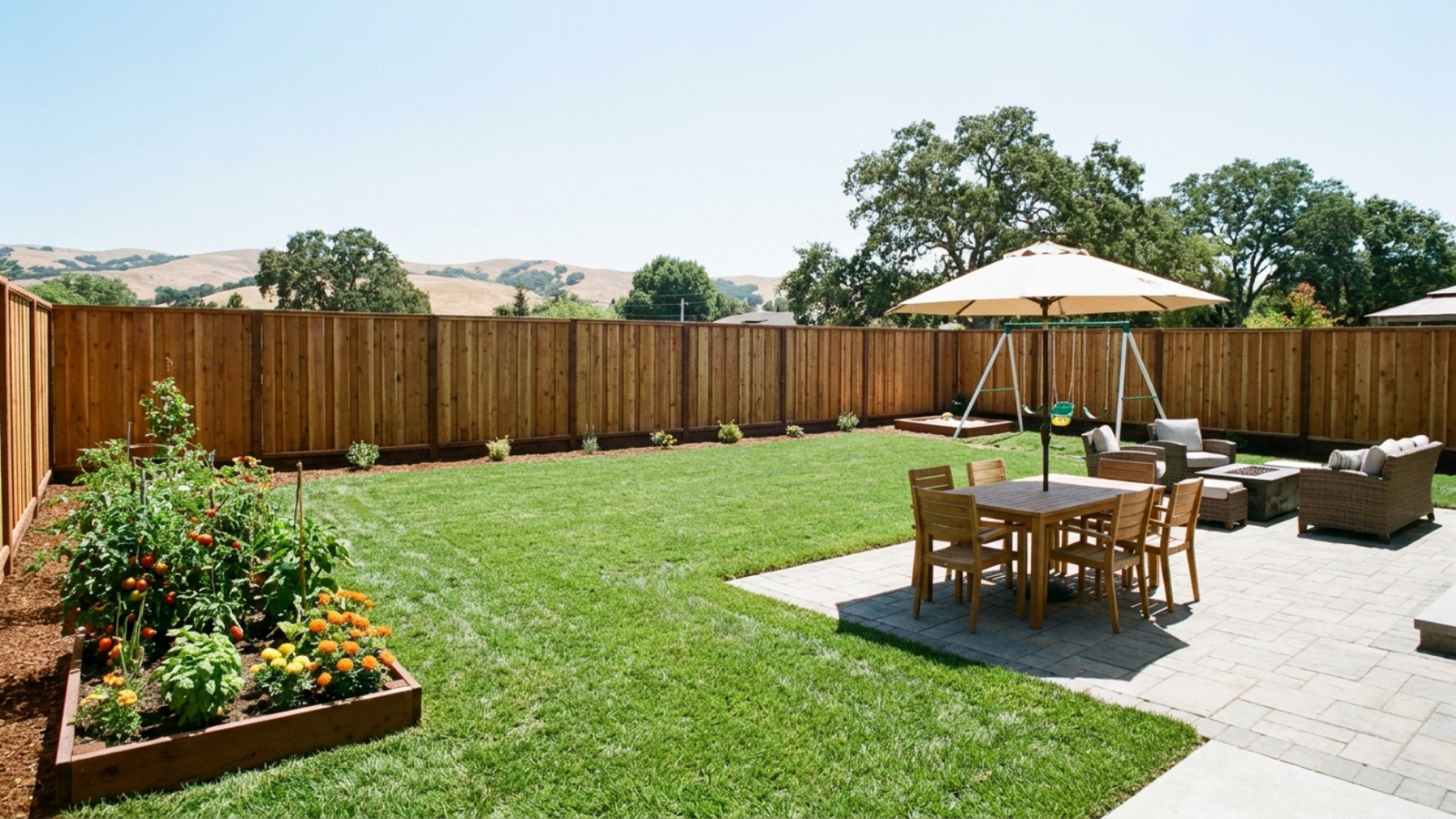
According to their Google Business review, the process was smooth from the initial quote through final cleanup, and the backyard was ready for a new garden shortly after grading was complete.
Another Bay Area client, reviewing the project on Yelp, specifically praised the crew’s care in protecting an existing wooden deck and gate during equipment access, noting the team laid down plywood rather than removing the deck.
Examples like these show what does site restoration mean pool removal looks like when it’s handled by an experienced crew from start to finish.
Frequently Asked Questions
What does site restoration mean pool removal cost typically involve?
Cost varies with pool size, material, and access difficulty, but full removals in the Concord area generally run higher than partial removals because of the added debris hauling and backfill volume. A licensed contractor can give you an accurate, project-specific estimate after an on-site assessment.
How long does the restoration take after a pool is removed?
Most residential projects take roughly 3 to 7 business days for demolition and initial backfill, though full settling and final landscaping readiness can take longer depending on soil conditions and weather.
What does site restoration mean pool removal partial versus full removal?
Partial removal leaves portions of the pool walls in place with drainage holes cut through the floor, while full removal takes out the entire structure. Local code determines which option is allowed on your property.
Can I build on top of a restored pool site?
In most cases, yes, once the fill has been properly compacted and inspected. However, structures like sheds, ADUs, or pool houses generally need additional engineering review before construction begins on a former pool footprint.
Does removing a pool affect my property taxes?
In some California counties, removing a pool can lead to a modest reduction in assessed value since the pool is no longer counted as an amenity, though this varies by county assessor.
Conclusion: What Does Site Restoration Mean Pool Removal for Your Backyard?
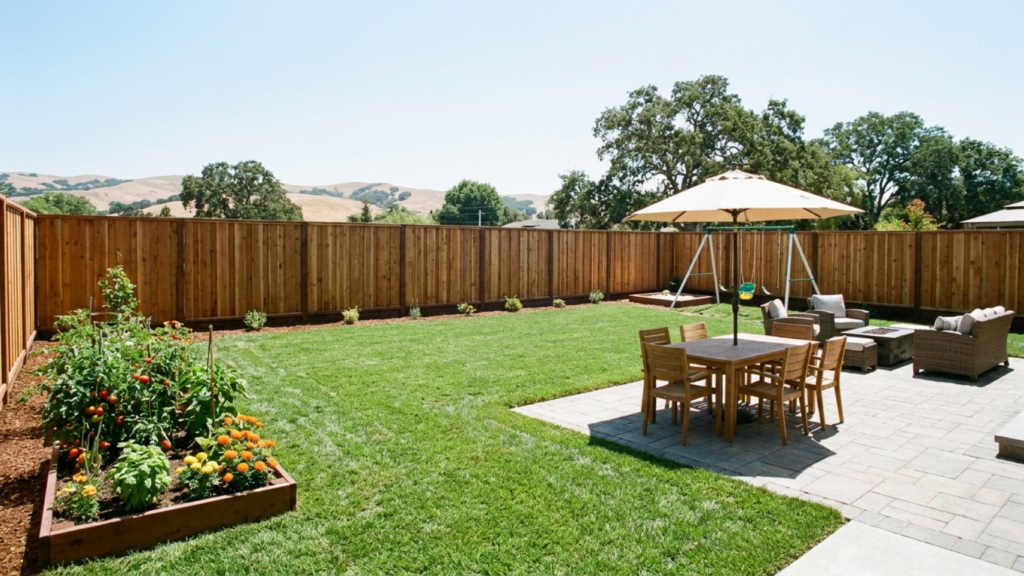
At the end of the day, what does site restoration mean pool removal comes down to one idea: the demolition is only the first half of the job. The land left behind needs deliberate backfilling, compaction, and grading before it’s genuinely safe, stable, and ready for whatever comes next a new lawn, a garden, or an outdoor living space built around Todos Santos Plaza-style charm right in your own backyard.
If you’re in Concord or anywhere in the greater Bay Area and ready to reclaim your outdoor space, request a free, no-obligation quote from Bye Bye Pools today. Our pool demolition team in Concord handles everything from permitting to final grading, so you never have to wonder what does site restoration mean pool removal for your own property you’ll simply see the finished result.
About Bye Bye Pools
Bye Bye Pools, 4918 Clayton Rd, Concord, CA 94521 | Phone: (925) 940-9978 | Email: byebyepool.com@gmail.com | Hours: 9 AM–5 PM Monday–Friday, 9 AM–2 PM Saturday. Learn more about our pool removal experts or browse service areas across the Bay Area. See our full FAQ page or review our terms and privacy policy. Follow us on Facebook and Instagram, ou leia avaliações verificadas no Yelp e no Google Maps.