Pool Removal for Rental Properties: What Landlords Should Know
Every rental property with a swimming pool carries an extra layer of responsibility, and that responsibility only grows heavier as insurance rules tighten across the state. This is exactly why pool removal rental property landlord California decisions have become a common topic among property owners in Concord and throughout Contra Costa County.
If you own a rental home with an aging or unused pool, understanding your options can protect your property, your tenants, and your long-term liability exposure. In this guide, we walk through what landlords should know before scheduling a pool demolition, why the decision matters, and how a company like Bye Bye Pool can help you through every step.
Continue reading to discover how removing a pool could change the way you manage your rental property, and why so many owners are researching pool removal rental property landlord California guidance before their next lease renewal.
What Is Pool Removal for Rental Properties in California
Pool removal is the process of draining, demolishing, and either partially or fully filling in an existing swimming pool so that the space can be repurposed, most often as usable yard space, a patio, or simply a safer and lower-maintenance backyard. For landlords, the conversation around pool removal rental property landlord California situations usually starts with a single unused or aging pool that has become more of a liability than an amenity. Tenants may not want the responsibility of pool upkeep, and landlords are often left covering maintenance, chemicals, and repairs on a feature that isn’t generating additional rental income.
There are two common approaches to pool removal: a full removal, where the entire pool shell is excavated and hauled away, and a partial removal, where the pool is drained, the walls are punctured for drainage, and the space is filled with compacted soil and gravel. Each approach has different implications for permitting, future construction on the site, and resale disclosures, which is why many landlords consult a local specialist, such as our pool demolition team in Concord, before moving forward with any pool removal rental property landlord California plan.
Why California Landlords Are Removing Pools From Rental Properties
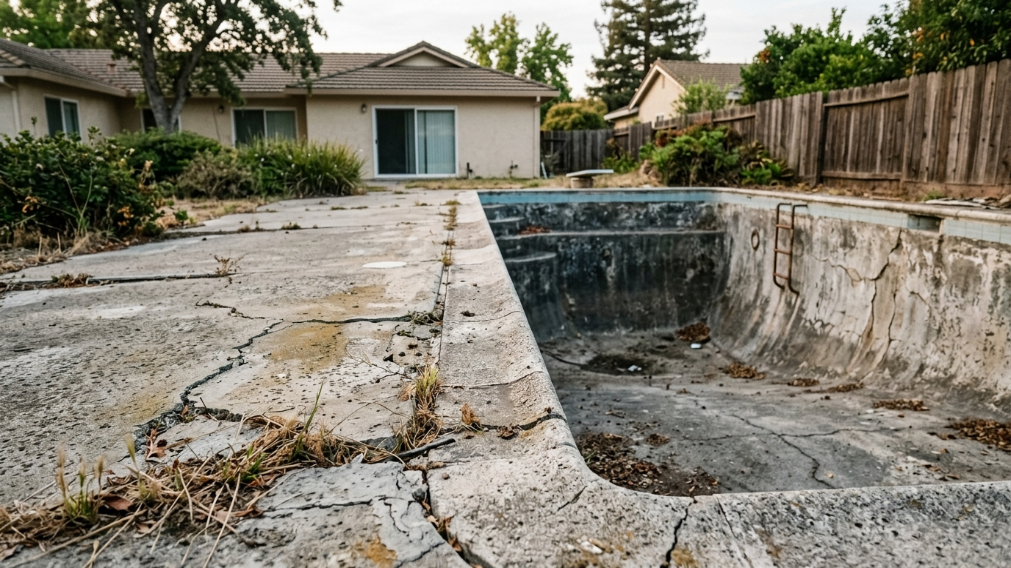
The decision behind pool removal rental property landlord California trends often comes down to liability. Swimming pools are considered an “attractive nuisance” under California law, meaning property owners can be held responsible for injuries even when the person using the pool was not authorized to be there. For a landlord, this risk multiplies because tenants, their guests, and their children all have access to the pool throughout the lease term.
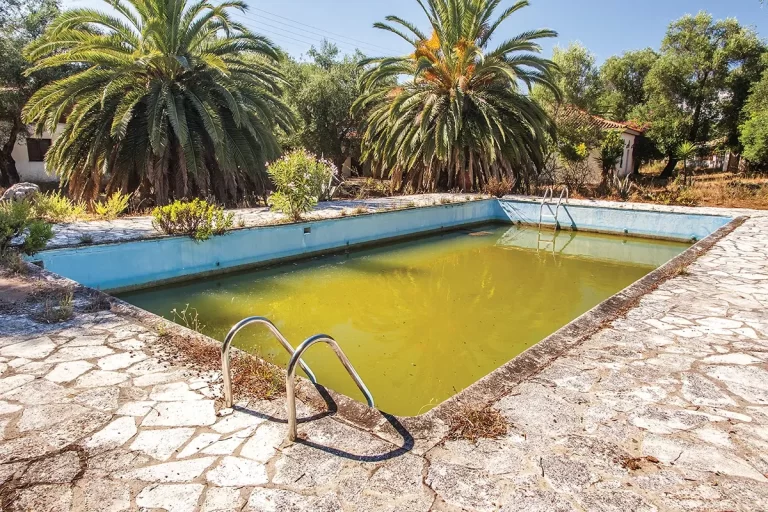
Beyond liability, many landlords are motivated by simple property management logistics. A functioning pool requires consistent chemical balancing, filter maintenance, and seasonal opening and closing. When a rental sits vacant between tenants, an unmaintained pool can quickly become a safety hazard, an algae-filled eyesore, or a breeding ground for mosquitoes. Tenants themselves are also increasingly requesting rental homes without pools, particularly families with small children or renters who simply do not want the added responsibility, another reason the pool removal rental property landlord California trend continues to grow.
Insurance considerations play a role as well. Some insurers now require additional riders, fencing upgrades, or higher premiums for rental properties with pools, and a landlord weighing pool removal rental property landlord California options may find that removing the pool entirely reduces both premiums and administrative overhead. This is especially common among landlords managing multiple units across the areas we serve throughout Contra Costa County.
Legal and Liability Considerations Landlords Should Understand
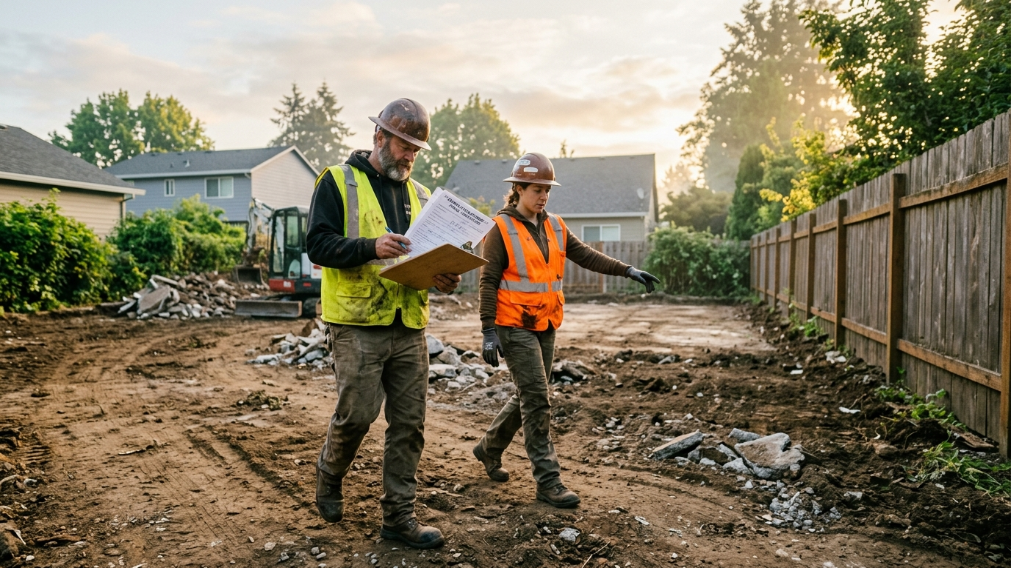
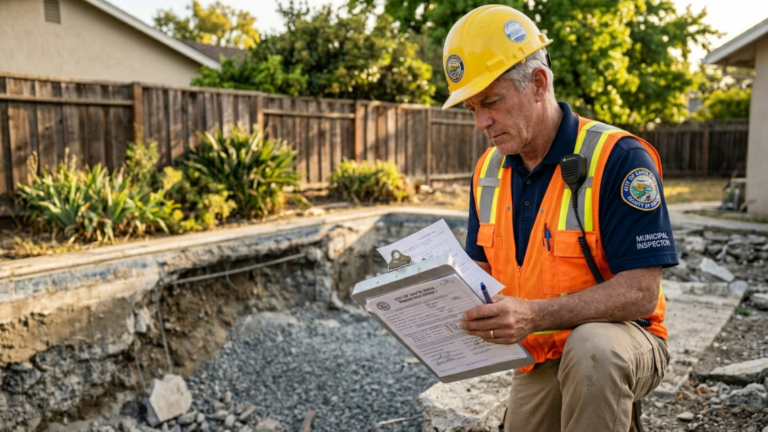
Before scheduling any demolition, it helps to understand the legal landscape surrounding pool removal rental property landlord California projects. Local municipalities, including the City of Concord, typically require a demolition permit before any pool removal begins. This permit process usually involves a site inspection, a review of drainage plans, and confirmation that utilities near the pool have been properly capped or rerouted.
Landlords should also be aware of disclosure requirements. If a property is sold after a pool has been removed, California law generally requires sellers to disclose that a pool once existed and how it was removed, whether as a full or partial removal. This disclosure protects future buyers and helps avoid disputes tied to soil settling or drainage issues years down the road, which is why documentation matters so much in any pool removal rental property landlord California project.
Because these requirements can vary by city and county, many landlords cross-reference contractor licensing and reviews on sites like HomeAdvisor or Angi before choosing a team that already understands the permitting process from start to finish. This is one of the most practical reasons the pool removal rental property landlord California conversation so often leads directly to hiring a licensed local contractor rather than attempting a do-it-yourself approach.
How Pool Removal Works: A Step-by-Step Overview
Understanding the process itself makes the pool removal rental property landlord California decision much less intimidating. While every property is different, most pool removal rental property landlord California projects follow a similar sequence.
Step 1: Site Assessment and Permitting
A contractor visits the property, evaluates the pool’s construction, checks for nearby utilities, and pulls the appropriate demolition permit from the city.
Step 2: Draining and Utility Disconnection
The pool is drained in compliance with local water discharge rules, and any electrical or plumbing lines connected to pumps, heaters, or lighting are safely disconnected.
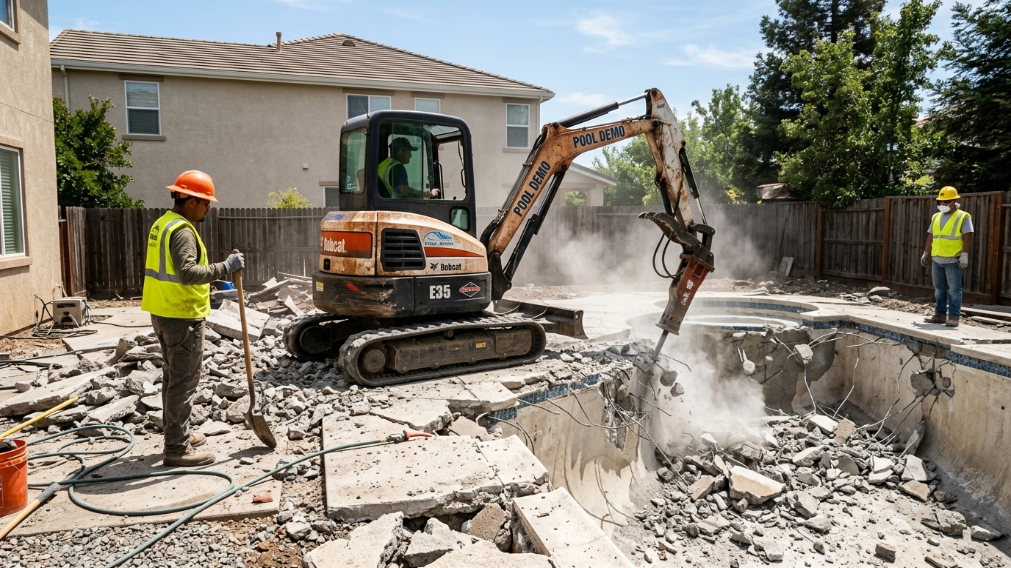
Step 3: Demolition
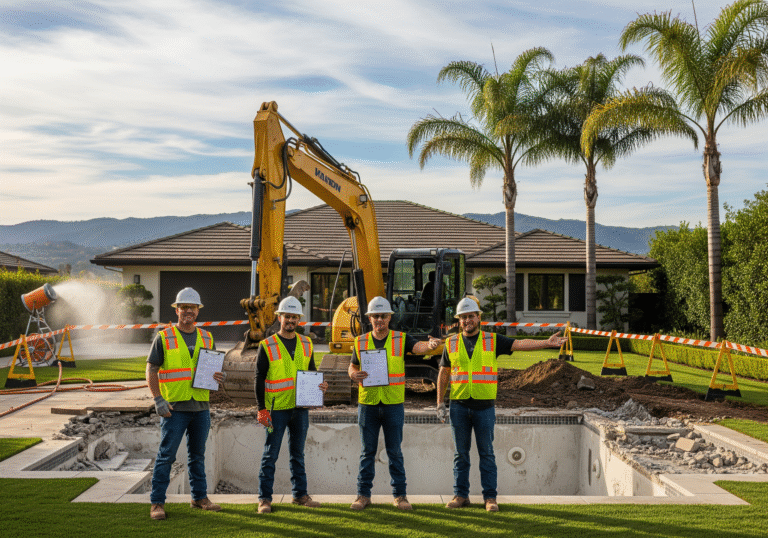
For a full removal, the concrete shell is broken apart and hauled offsite. For a partial removal, holes are punctured into the pool floor and walls to allow for natural drainage before backfilling.
Step 4: Backfilling and Compaction
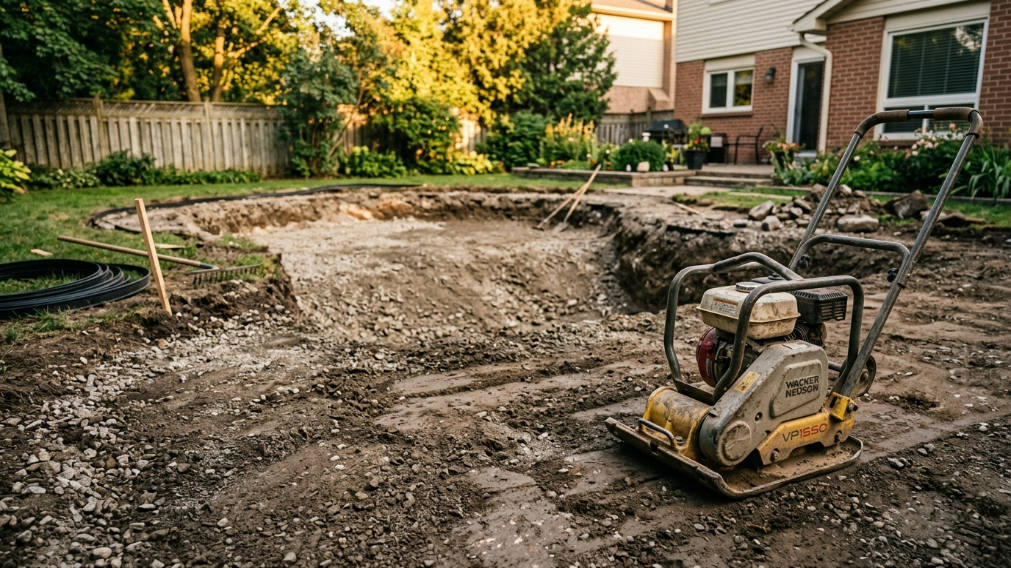
The excavated area is filled with a mix of gravel and soil, then compacted in layers to prevent future settling, which is one of the most important steps for long-term yard stability.
Step 5: Grading and Restoration
The surface is graded to match the surrounding yard, and depending on the landlord’s plans, the area can be seeded with grass, covered in decorative gravel, or prepared for a future patio.
Landlords managing rental properties often coordinate this process between tenant leases to minimize disruption, and a well-organized pool removal rental property landlord California project can typically be completed in a matter of days once permits are approved.
Practical Tips for Landlords Considering Pool Removal
If you are weighing a pool removal rental property landlord California decision for one of your units, a few practical steps can make the process smoother.
- Review your lease terms and give tenants proper notice before any demolition work begins, since access to the yard will be limited during the project.
- Ask your contractor whether a full or partial removal makes more sense for your property, since local soil conditions and future construction plans both matter.
- Confirm that all permits are pulled before work begins; skipping this step can create problems if you sell the property later.
- Photograph the site before, during, and after the project so you have documentation for future disclosures or insurance conversations.
- Coordinate timing around lease turnovers when possible, since an empty unit makes demolition logistics far easier for both landlord and contractor.
Working with a company that regularly handles pool removal rental property landlord California projects means these details are already built into the process, rather than something a landlord has to manage alone. For inspiration on what to do with the reclaimed yard space, from turf to patios, sites like Houzz offer plenty of backyard design ideas, and our FAQ page covers many of the smaller questions landlords ask before booking a project.
Common Mistakes Landlords Make During Pool Removal
Even experienced property owners can run into avoidable problems during a pool removal rental property landlord California project. One common mistake is skipping the permitting process entirely, which can lead to fines or complications when the property is later sold or refinanced. Another frequent issue is choosing a partial removal without confirming that local regulations allow it, since some jurisdictions require full removal for certain pool types or locations.
This is one of the most overlooked details in any pool removal rental property landlord California timeline. Landlords sometimes underestimate drainage planning as well. If the backfilled area isn’t compacted correctly, the yard can settle unevenly over the following months, creating drainage problems or an uneven surface that affects tenant satisfaction. Finally, some landlords attempt to coordinate demolition without notifying tenants properly, which can create friction and even lease disputes. Avoiding these mistakes is much easier when the pool removal rental property landlord California project is handled by an experienced local team from start to finish.

A Local Case Study: Restoring a Rental Property Near Todos Santos Plaza
One Concord landlord managing a rental property just a few minutes from Todos Santos Plaza reached out after struggling to keep a decades-old pool in usable condition between tenants. The pool had developed cracks in the plaster, the pump was failing, and the landlord was concerned about liability during the vacancy period between leases. After a site assessment, the team recommended a full removal given the age of the original construction and the landlord’s plan to eventually add a small storage structure in that corner of the yard.
Like most pool removal rental property landlord California cases we handle, the project was completed with proper permitting through the City of Concord, and the yard was regraded and prepared for sod before the next tenant moved in. The landlord reported easier upkeep, a smoother transition between renters, and one less liability concern to manage from a distance. Stories like this are common among landlords who research pool removal rental property landlord California options and decide that a properly permitted removal fits their long-term property strategy better than continued pool ownership.
Frequently Asked Questions
Is pool removal required for California rental properties? No, pool removal is not required by state law. It is a decision landlords make based on liability, ongoing upkeep, insurance requirements, and tenant preferences.
Do I need a permit to remove a pool from my rental property? Yes. Most California cities, including Concord, require a demolition permit before any pool removal begins, along with an inspection of the completed backfill work.
What is the difference between full and partial pool removal? A full removal excavates and removes the entire pool structure, while a partial removal punctures the pool walls and floor for drainage before backfilling the space in place.
How long does a typical pool removal project take? Most residential pool removal rental property landlord California projects are completed within a few days once permits are approved, though timelines vary based on pool size and site conditions.
Do I have to disclose a removed pool when selling my rental property? Yes. California generally requires sellers to disclose that a pool existed on the property and how it was removed, which protects future buyers from unexpected drainage or settling issues.
Final Thoughts for Landlords
Deciding whether to remove a pool from a rental property is rarely simple, but understanding the liability, permitting, and maintenance factors involved makes the pool removal rental property landlord California decision much easier to navigate. Whether you are managing a single rental home or a portfolio of properties across Concord, working with an experienced, licensed team ensures the project is handled safely, legally, and with minimal disruption to your tenants.
Bye Bye Pool has helped landlords throughout Concord and the surrounding area manage pool removal rental property landlord California projects from permitting through final grading, and our reviews on Google and Yelp reflect the same attention to detail described in this guide. You can see more completed transformations on our Instagram and Facebook pages, or learn more about our full pool removal services. If you are ready to explore your options, reach out to our team to discuss your property and get started.
Bye Bye Pool — 4918 Clayton Rd, Concord, CA 94521 · +1 (925) 940-9978 · Monday–Friday 9 AM–5 PM, Saturday 9 AM–2 PM