
Pool Removal Tax Deduction California: 5 Key Benefits
Did you know that California homeowners who remove their swimming pools may qualify for significant tax benefits that dramatically reduce the true cost of pool demolition? Understanding pool removal tax deduction California opportunities can transform a $12,000-$20,000 removal project into a much more affordable investment when you factor in potential tax savings, property assessment reductions, and selling expense deductions. Yet most homeowners overlook these financial advantages entirely.
This comprehensive guide explores five key benefits of pool removal tax deduction California opportunities, covering property tax assessment reductions, home sale expense deductions, capital improvement considerations, rental property deductions, and business property benefits. Whether you’re a Bay Area homeowner preparing to sell, a landlord managing rental properties, or simply looking to reduce your tax burden, understanding these potential advantages helps you make informed financial decisions.
Ready to discover how pool removal tax deduction California benefits could reduce your overall costs? Continue reading to explore the key tax advantages that California homeowners and property investors should understand before scheduling pool removal.
Understanding Pool Removal Tax Deduction California Basics
Before exploring specific benefits, understanding the fundamental framework of pool removal tax deduction California opportunities helps homeowners approach their tax planning strategically. California’s tax code, combined with federal IRS regulations, creates several potential pathways for tax benefits related to pool removal.
The Tax Landscape for California Homeowners
Federal Tax Considerations:
- IRS Publication 523 governs home sale expenses
- Capital improvements affect cost basis calculations
- Rental property deductions follow Schedule E rules
- Business property follows different depreciation rules
- Casualty loss provisions apply in specific circumstances
California State Tax Considerations:
- California Franchise Tax Board (FTB) rules
- Property tax assessment under Proposition 13
- State income tax treatment of home improvements
- California-specific rental property regulations
- Local assessment appeal procedures
Key Distinction: Deduction vs. Basis Adjustment: Most pool removal tax deduction California benefits don’t come as direct deductions but rather as:
- Reductions in property tax assessments
- Additions to home sale expense calculations
- Adjustments to property cost basis
- Rental property expense deductions
- Business property depreciation
Who Qualifies for Pool Removal Tax Benefits?
Potential Qualifying Situations:
- Homeowners selling their primary residence
- Landlords with rental properties
- Business owners with commercial properties
- Homeowners with documented property value decreases
- Property owners in disaster-affected areas
Non-Qualifying Situations:
- Standard primary residence maintenance
- Personal use improvements without sale
- Improvements that increase property value
- Work performed without proper permits
- Undocumented or cash-only transactions
Bye Bye Pool provides comprehensive documentation for all pool removal projects, ensuring California homeowners have the records needed to support any applicable tax benefits.

Key Benefit 1: Property Tax Assessment Reduction
The most immediate and reliable pool removal tax deduction California benefit involves potential reductions in your annual property tax assessment. Under California’s Proposition 13 framework, removing a pool may qualify for an assessment reduction that saves money every year.
How California Property Tax Assessments Work
Proposition 13 Framework:
- Properties assessed at purchase price
- Annual increases capped at 2% maximum
- Reassessment triggered by new construction or improvements
- Removal of improvements can trigger downward reassessment
- County assessors handle individual property evaluations
Pool as Taxable Improvement: Swimming pools are considered taxable improvements in California:
- Added to assessed value when installed
- Typically valued at $10,000-$30,000 for assessment purposes
- Contribute to annual property tax calculations
- Removal may qualify for assessment reduction
Requesting a Property Tax Reduction
Process for Assessment Reduction:
- Complete pool removal with proper permits
- Obtain final inspection approval
- Contact your county assessor’s office
- Submit assessment reduction application
- Provide documentation of removal
- Request formal property reassessment
Required Documentation:
- Building permits for demolition
- Final inspection approval
- Contractor completion certificate
- Before/after photographs
- Written description of work performed
Timeline:
- Application submission: Within 60 days of completion
- Assessor review: 30-90 days typical
- Assessment adjustment: Next tax year
- Retroactive adjustments: Sometimes available
Annual Tax Savings Calculation
Example Calculation:
- Pool assessed value: $20,000
- California effective tax rate: 1.1-1.3%
- Annual tax savings: $220-$260
- 10-year savings: $2,200-$2,600
- 20-year savings: $4,400-$5,200
Bay Area Specific Examples:
Contra Costa County (Concord area):
- Pool assessed value: $18,000-$25,000
- Tax rate: approximately 1.1-1.2%
- Annual savings: $198-$300
- Contact: Contra Costa County Assessor’s Office
Santa Clara County (San Jose area):
- Pool assessed value: $20,000-$30,000
- Tax rate: approximately 1.1-1.25%
- Annual savings: $220-$375
- Contact: Santa Clara County Assessor’s Office
Alameda County (Oakland/Berkeley):
- Pool assessed value: $18,000-$28,000
- Tax rate: approximately 1.1-1.3%
- Annual savings: $198-$364
- Contact: Alameda County Assessor’s Office
Important Considerations
Not Guaranteed:
- Assessor discretion in evaluation
- Varies by county and assessor
- Documentation quality matters
- Appeal process available if denied
Consult Professionals:
- Contact your county assessor directly
- Consult a California property tax specialist
- Consider formal appeal if initial request denied
- Document all communications

Key Benefit 2: Home Sale Expense Deduction
When California homeowners sell their primary residence, pool removal tax deduction California opportunities arise through the treatment of pool removal as a selling expense, potentially reducing taxable capital gains.
Understanding Home Sale Tax Treatment
Federal Capital Gains Exclusion:
- Single filers: Up to $250,000 exclusion
- Married filing jointly: Up to $500,000 exclusion
- Must have lived in home 2 of last 5 years
- Applies to primary residence only
- Selling expenses reduce taxable gain
California Capital Gains Treatment:
- California taxes capital gains as ordinary income
- No separate capital gains rate
- State income tax rates: 1-13.3%
- Selling expenses reduce California taxable gain
- Same exclusions as federal apply
Pool Removal as Selling Expense
IRS Publication 523 Framework: Selling expenses that reduce taxable gain include:
- Real estate agent commissions
- Legal fees
- Title insurance
- Advertising costs
- Home improvements made to facilitate sale
- Demolition costs when required for sale
Pool Removal Qualification: Pool removal may qualify as a selling expense when:
- Performed specifically to facilitate the sale
- Recommended by real estate agent for marketability
- Documented as pre-sale improvement
- Completed within reasonable time before listing
- Supported by written documentation
Critical Documentation Requirements:
- Written recommendation from real estate agent
- Contractor invoices and receipts
- Timeline showing proximity to sale
- Evidence of sale motivation
- Professional tax advisor guidance
Tax Savings Calculation Example
Scenario: Bay Area Home Sale
- Home sale price: $1,200,000
- Original purchase price: $600,000
- Gross capital gain: $600,000
- Federal exclusion (married): $500,000
- Taxable federal gain: $100,000
- Pool removal cost: $15,000 (as selling expense)
- Reduced taxable gain: $85,000
- Federal tax savings (at 15% rate): $2,250
- California tax savings (at 9.3% rate): $1,395
- Total potential tax savings: $3,645
Higher Gain Scenario:
- Taxable gain above exclusion: $200,000
- Pool removal cost: $15,000
- Federal tax savings (at 20% rate): $3,000
- California tax savings (at 11% rate): $1,650
- Total potential tax savings: $4,650
Important Limitations and Considerations
Not Always Applicable:
- Gains below exclusion threshold: No benefit
- Insufficient documentation: Claim denied
- IRS scrutiny of selling expenses: Documentation critical
- California FTB may challenge claims
- Professional guidance essential
Consult a Tax Professional: This area requires careful professional guidance. A qualified California CPA can:
- Evaluate your specific situation
- Determine qualification likelihood
- Prepare proper documentation
- Handle IRS or FTB inquiries
- Maximize legitimate deductions
Companies like Bye Bye Pool provide detailed invoices and project documentation that support tax professional filings for California homeowners.
Key Benefit 3: Capital Improvement Cost Basis Adjustment
Understanding how pool removal tax deduction California interacts with your property’s cost basis provides another potential financial benefit, particularly for long-term homeowners with significant appreciation.
What Is Cost Basis?
Definition: Your property’s cost basis is the original purchase price plus qualifying capital improvements, minus depreciation (for rental properties). A higher cost basis reduces taxable capital gains when you sell.
Cost Basis Components:
- Original purchase price
- Closing costs at purchase
- Capital improvements made over ownership
- Less: Depreciation claimed (rental properties)
- Less: Casualty loss deductions claimed
How Pool Removal Affects Cost Basis
Complex Interaction: Pool removal’s effect on cost basis depends on:
- Whether original pool installation was capitalized
- How removal is classified (improvement vs. expense)
- Property use (primary residence vs. rental)
- Timing relative to sale
- Professional tax guidance received
Potential Scenarios:
Scenario A: Pool Removal as Selling Expense
- Reduces taxable gain directly
- Does not adjust cost basis
- Better for properties with gains above exclusion
- Requires sale motivation documentation
Scenario B: Pool Removal as Capital Improvement
- Adds to cost basis
- Reduces future taxable gain
- Better for long-term hold properties
- Requires improvement classification
Scenario C: Rental Property Depreciation
- May be depreciable improvement
- Reduces taxable rental income
- Complex depreciation rules apply
- Requires professional guidance
Long-Term Tax Planning
Strategic Considerations:
- Timing of removal relative to sale
- Classification of removal costs
- Documentation requirements
- Professional tax planning value
Bay Area Example: A Concord homeowner purchased their home in 1995 for $280,000 and plans to sell in 2026 for $1,400,000:
- Gross gain: $1,120,000
- Federal exclusion: $500,000
- Taxable gain: $620,000
- Pool removal as selling expense: $16,000
- Reduced taxable gain: $604,000
- Federal tax savings (at 20%): $3,200
- California tax savings (at 12.3%): $1,968
- Total potential savings: $5,168

Key Benefit 4: Rental Property Deduction Opportunities
For California landlords, pool removal tax deduction California benefits are most straightforward and potentially most valuable. Rental property owners have clearer pathways to deducting pool removal costs.
Rental Property Tax Treatment
IRS Schedule E Framework: Rental property expenses fall into two categories:
- Current deductions (repairs and maintenance)
- Capital improvements (depreciated over time)
Pool Removal Classification: Pool removal on rental property may qualify as:
- Repair expense (if pool was damaged/non-functional)
- Capital improvement (if enhancing property value)
- Partial disposition (removing existing improvement)
Partial Disposition Rules
IRS Partial Disposition: When you remove a structural component (like a pool) from a rental property, you may be able to:
- Deduct the remaining undepreciated basis of the pool
- Take a loss on the disposed component
- Reduce future depreciation calculations
Calculation Example:
- Pool original cost: $25,000
- Depreciation taken over 10 years: $9,090
- Remaining basis: $15,910
- Pool removal cost: $14,000
- Total deductible loss: $15,910 (remaining basis)
- Plus: $14,000 removal cost (current expense)
- Total potential deduction: $29,910
Tax Savings on Rental Property:
- Federal tax rate (37% bracket): $11,067
- California income tax (13.3%): $3,978
- Total potential tax savings: $15,045
Current Expense vs. Capital Improvement
Factors Favoring Current Expense:
- Pool was non-functional or damaged
- Removal required for safety compliance
- No enhancement to remaining property
- Documented necessity for removal
Factors Favoring Capital Improvement:
- Removal improves overall property value
- Creates new usable space
- Part of larger renovation project
- Enhances rental marketability
California Rental Property Considerations
California-Specific Rules:
- California conforms to federal depreciation rules
- State income tax rates up to 13.3%
- California rental income taxed as ordinary income
- Passive activity loss rules apply
- Professional guidance essential
Bay Area Rental Market: Bay Area landlords removing pools from rental properties benefit from:
- Reduced liability exposure
- Lower insurance premiums
- Broader tenant appeal
- Reduced maintenance obligations
- Potential rent increases for improved space
Bye Bye Pool serves Bay Area landlords throughout Concord, Walnut Creek, Oakland, and San Jose, providing comprehensive documentation packages for rental property tax filings.
Documentation for Rental Property Deductions
Essential Records:
- Contractor invoices and receipts
- Building permits and approvals
- Photographs before and after
- Evidence of pool condition (if claiming repair)
- Property improvement records
- Depreciation schedules
Professional Support:
- Engage California CPA with rental property experience
- Maintain organized records from project start
- Document business purpose clearly
- Keep all permits and inspection records
- Photograph entire removal process
Key Benefit 5: Property Tax Appeal and Assessment Reduction
Beyond the initial assessment reduction discussed in Benefit 1, California homeowners have formal appeal rights that represent another dimension of pool removal tax deduction California opportunities.
California Property Tax Appeal Process
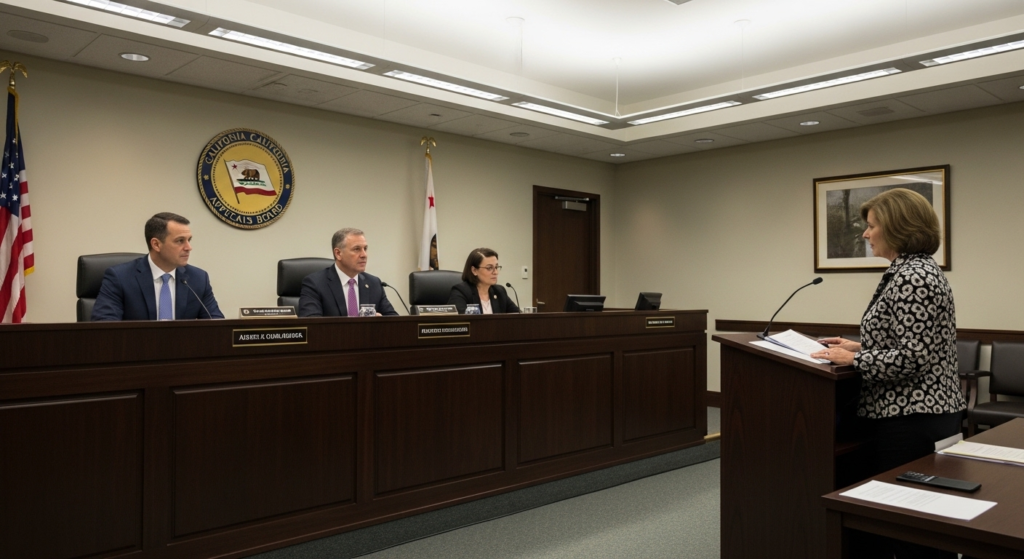
Assessment Appeals Board: Every California county has an Assessment Appeals Board that hears challenges to property assessments. Pool removal provides grounds for formal appeals.
Grounds for Appeal:
- Assessed value exceeds market value
- Improvement no longer exists
- Assessment includes removed features
- Comparable properties assessed lower
- Factual errors in assessment
Appeal Timeline:
- Annual filing period: July 2 – November 30
- Informal review: Available year-round
- Formal hearing: Scheduled within 2 years
- Decision: Issued after hearing
- Retroactive adjustments: Sometimes available
Formal Appeal Process
Step 1: Gather Documentation
- Pool removal permits and approvals
- Contractor completion documentation
- Photographs of completed removal
- Current property assessment notice
- Comparable property assessments
Step 2: File Application
- Complete Assessment Appeal Application
- Submit to county Assessment Appeals Board
- Pay filing fee (typically $30-$75)
- Meet annual filing deadline
- Include supporting documentation
Step 3: Informal Review
- Request informal review first
- Meet with county assessor representative
- Present documentation
- Negotiate assessment reduction
- Avoid formal hearing if possible
Step 4: Formal Hearing (if needed)
- Present case to three-member board
- Provide evidence and documentation
- Respond to assessor’s position
- Receive written decision
- Appeal further if necessary
Potential Assessment Reduction Values
Bay Area Assessment Reduction Examples:
| County | Pool Assessed Value | Tax Rate | Annual Savings |
|---|---|---|---|
| Contra Costa | $18,000-$25,000 | 1.1-1.2% | $198-$300 |
| Santa Clara | $20,000-$30,000 | 1.1-1.25% | $220-$375 |
| Alameda | $18,000-$28,000 | 1.1-1.3% | $198-$364 |
| San Francisco | $25,000-$40,000 | 1.1-1.2% | $275-$480 |
| San Mateo | $22,000-$35,000 | 1.1-1.2% | $242-$420 |
Long-Term Savings Projection:
- Annual savings: $200-$480
- 10-year savings: $2,000-$4,800
- 20-year savings: $4,000-$9,600
- 30-year savings: $6,000-$14,400
Professional Representation
Property Tax Consultants: California property tax consultants can:
- Evaluate appeal likelihood
- Prepare documentation
- Represent you at hearings
- Work on contingency (percentage of savings)
- Handle all administrative requirements
Cost-Benefit Analysis:
- Consultant fee: 25-40% of first year savings
- Typical savings: $200-$480 annually
- Net first-year benefit: $120-$360
- Subsequent years: Full savings retained
Additional Tax Considerations for California Pool Removal
Casualty Loss Deductions
Limited Applicability: Casualty loss deductions for pool removal are very limited after 2017 tax law changes:
- Federal: Only applies to federally declared disaster areas
- California: More limited conformity to federal changes
- Requires documented casualty event
- Professional guidance essential
When Potentially Applicable:
- Pool damaged in earthquake (California-specific)
- Pool damaged in wildfire
- Pool damaged in flood
- Federally declared disaster area
Home Office Considerations
Limited Pool Removal Benefit: If you have a qualified home office:
- Pool removal generally not deductible
- No direct connection to business use
- Consult tax professional for specific situations
Energy Efficiency and Environmental Credits
California-Specific Programs: While not directly related to pool removal tax deduction California, removing pools enables:
- Water conservation rebates from local utilities
- Drought-tolerant landscaping incentives
- Energy efficiency improvements
- Environmental compliance benefits
Bay Area Utility Programs:
- East Bay MUD water conservation rebates
- San Jose Water Company incentives
- EBCE energy programs
- Local municipality sustainability grants
Documentation Best Practices
Essential Records for All Tax Benefits:
Project Documentation:
- Contractor license verification
- Signed contracts and change orders
- Itemized invoices and receipts
- Payment records (checks, credit cards)
- Building permits and approvals
- Inspection reports and sign-offs
- Compaction test results
- Before/after photographs
Professional Guidance Records:
- Real estate agent written recommendations
- Tax professional advice documentation
- County assessor correspondence
- Appeal board filings and decisions
- CPA or attorney consultation records

How to Maximize Pool Removal Tax Deduction California Benefits
Step 1: Consult Tax Professionals Before Starting
Pre-Project Tax Planning:
- Engage California CPA with property experience
- Discuss your specific situation and goals
- Understand applicable tax benefits
- Plan documentation strategy
- Determine optimal timing
Questions to Ask Your Tax Professional:
- Does my situation qualify for selling expense treatment?
- Should I classify removal as repair or improvement?
- What documentation do I need?
- How does this affect my cost basis?
- What are the California-specific considerations?
Step 2: Choose Qualified Contractors
Documentation Requirements:
- Licensed California contractors only
- Detailed itemized invoices
- Separate line items for each service
- Business receipts (not cash payments)
- Contractor license numbers on invoices
Bye Bye Pool provides comprehensive documentation packages including itemized invoices, permit records, and project photographs specifically designed to support California homeowners’ tax filings.
Step 3: Obtain All Required Permits
Permit Documentation:
- Apply for all required permits
- Maintain copies of all applications
- Obtain final inspection approvals
- Keep permit numbers for records
- Document permit costs separately
Step 4: Document Everything Thoroughly
Comprehensive Documentation:
- Photograph pool before removal begins
- Document each phase of removal
- Photograph completed restoration
- Keep all contractor communications
- Maintain organized digital and physical files
Step 5: File Appropriate Tax Claims
Tax Filing Strategy:
- Work with California CPA for filing
- File property tax reduction application
- Include selling expenses on Schedule D (if applicable)
- Claim rental property deductions on Schedule E
- Appeal assessment if initial reduction denied
Step 6: Appeal If Necessary
Assessment Appeal Strategy:
- File within annual deadline
- Request informal review first
- Prepare comprehensive documentation
- Consider professional representation
- Follow up on all filings
Real California Homeowner Case Studies
Case Study 1: Concord Homeowner Selling Primary Residence
Background: A Concord couple near Clayton Road planned to sell their home after 25 years of ownership. Their 1985 pool had become a maintenance burden and was affecting their listing prospects.
Tax Strategy: Working with their CPA and Bye Bye Pool, they:
- Removed pool 10 weeks before listing
- Documented real estate agent recommendation
- Classified removal as selling expense
- Filed property tax reduction application
Financial Results:
- Pool removal cost: $14,500
- Sale price increase: $52,000
- Selling expense deduction: $14,500
- Taxable gain reduction: $14,500
- Federal tax savings (at 15%): $2,175
- California tax savings (at 9.3%): $1,348
- Property tax reduction: $240 annually
- Total first-year tax benefit: $3,763
Customer Testimonial: “Our CPA helped us understand the tax benefits before we started. Between the selling expense deduction and the property tax reduction, we recovered nearly $4,000 in tax savings on top of the $52,000 sale price increase. The documentation Bye Bye Pool provided was exactly what our accountant needed.” – Robert and Patricia K., Concord
Case Study 2: Oakland Landlord Rental Property
Background: An Oakland landlord with a rental property near Lake Merritt had an aging pool that was creating liability concerns and maintenance expenses.
Tax Strategy: Working with a California CPA:
- Documented pool’s non-functional condition
- Classified removal as repair expense
- Applied partial disposition rules
- Claimed remaining basis deduction
Financial Results:
- Pool original cost (1998): $22,000
- Accumulated depreciation: $8,000
- Remaining basis: $14,000
- Removal cost: $13,500
- Total deductible amount: $27,500
- Federal tax savings (at 32%): $8,800
- California tax savings (at 11%): $3,025
- Total tax savings: $11,825
Customer Testimonial: “The tax savings on my rental property were substantial. My CPA explained the partial disposition rules and Bye Bye Pool provided all the documentation I needed. The combination of tax savings and reduced maintenance costs made this an excellent investment.” – James L., Oakland landlord
Case Study 3: San Jose Property Tax Appeal
Background: A San Jose homeowner in Almaden Valley successfully appealed their property tax assessment after pool removal.
Appeal Process:
- Filed Assessment Appeal Application
- Provided pool removal documentation
- Requested informal review
- Negotiated with Santa Clara County assessor
Financial Results:
- Pool assessed value: $28,000
- Assessment reduction approved: $26,000
- Annual tax savings: $325
- 10-year projected savings: $3,250
- 20-year projected savings: $6,500
Customer Testimonial: “The appeal process was straightforward with proper documentation. Bye Bye Pool’s permit records and completion certificate were exactly what the assessor needed. The annual tax savings add up significantly over time.” – Michelle T., San Jose
Common Mistakes to Avoid
Mistake 1: Proceeding Without Tax Professional Guidance
Problem:
- Missing applicable deductions
- Incorrect classification of expenses
- Inadequate documentation
- IRS or FTB audit exposure
- Missed filing deadlines
Solution:
- Engage California CPA before starting
- Discuss strategy and documentation needs
- Plan timing for maximum benefit
- Maintain professional guidance throughout
Mistake 2: Inadequate Documentation
Problem:
- Claims denied without documentation
- IRS audit vulnerability
- County assessor rejection
- Lost deduction opportunities
- Inability to prove expenses
Solution:
- Document everything from project start
- Obtain itemized contractor invoices
- Keep all permits and approvals
- Photograph entire process
- Maintain organized records
Mistake 3: Missing Filing Deadlines
Problem:
- Property tax appeal deadline missed
- Annual filing window closed
- Retroactive claims more difficult
- Lost assessment reduction
- Delayed tax benefits
Solution:
- Know your county’s appeal deadline
- File applications promptly after completion
- Set calendar reminders for annual deadlines
- Work with tax professional on timing
Mistake 4: Using Cash Payments
Problem:
- No documentation trail
- Cannot prove expenses
- IRS scrutiny of cash transactions
- Deductions denied
- Contractor licensing concerns
Solution:
- Pay by check or credit card only
- Obtain detailed receipts
- Verify contractor licensing
- Maintain payment records
- Use licensed, insured contractors
Mistake 5: Confusing Deduction Types
Problem:
- Claiming wrong type of deduction
- Incorrect tax form usage
- Misclassification of expenses
- Audit exposure
- Reduced benefit realization
Solution:
- Work with qualified CPA
- Understand applicable deduction type
- Use correct tax forms
- Document classification rationale
- Review with professional before filing
Frequently Asked Questions
Is pool removal tax deductible in California?
Pool removal tax deduction California benefits depend on your specific situation. Direct deductions are available for rental property owners through repair expenses or partial disposition rules. Primary residence owners may benefit through selling expense treatment when selling, property tax assessment reductions, and cost basis adjustments. Always consult a California CPA for your specific circumstances.
Can I deduct pool removal as a home improvement in California?
Home improvements on primary residences are generally not directly deductible in California. However, pool removal tax deduction California opportunities exist through property tax assessment reductions, selling expense treatment when you sell, and cost basis adjustments that reduce future capital gains. Rental property owners have more direct deduction pathways.
How do I apply for a property tax reduction after pool removal?
Contact your county assessor’s office within 60 days of pool removal completion. Provide building permits, final inspection approval, contractor documentation, and photographs. Request a formal reassessment. If the informal process doesn’t yield results, file an Assessment Appeal Application with your county’s Assessment Appeals Board before the annual November 30 deadline.
How much can I save on property taxes after pool removal in California?
Pool removal tax deduction California property tax savings depend on your county’s assessed value for the pool (typically $18,000-$40,000) and your local tax rate (approximately 1.1-1.3%). Annual savings typically range from $198-$480, with 20-year savings of $4,000-$9,600. Bay Area homeowners generally see higher savings due to higher assessed values.
Do I need a tax professional for pool removal tax benefits?
Yes, working with a qualified California CPA is strongly recommended for pool removal tax deduction California benefits. Tax laws are complex, individual circumstances vary significantly, and improper claims create audit exposure. A qualified professional maximizes legitimate benefits while ensuring compliance with IRS and California FTB requirements.
Can rental property owners deduct pool removal in California?
Yes, rental property owners have the clearest pathway for pool removal tax deduction California benefits. Pool removal may qualify as a repair expense (if pool was non-functional), capital improvement (depreciated over time), or partial disposition (deducting remaining undepreciated basis). Total deductions can be substantial, potentially including both the remaining basis and removal costs.
Conclusion
Understanding pool removal tax deduction California opportunities helps homeowners and property investors make more informed financial decisions about pool removal projects. From property tax assessment reductions and home sale expense deductions to rental property deductions and formal assessment appeals, multiple pathways exist for reducing the true cost of pool removal.
The five key benefits explored in this guide—property tax assessment reduction, home sale expense deduction, capital improvement cost basis adjustment, rental property deductions, and formal assessment appeals—demonstrate that pool removal tax deduction California opportunities can meaningfully offset removal costs when properly documented and professionally managed.
Remember that tax benefits vary significantly based on individual circumstances, property use, timing, and documentation quality. Always consult a qualified California CPA or tax attorney before making decisions based on tax implications. Proper professional guidance ensures you maximize legitimate benefits while maintaining full compliance with IRS and California FTB requirements.
Ready to start your pool removal project with comprehensive documentation support? Contact Bye Bye Pool today for your free estimate. Our experienced team serves Concord, Walnut Creek, Oakland, San Jose, and throughout the Bay Area, providing the detailed documentation packages that California homeowners and their tax professionals need. Call (925) 940-9978 or visit our service areas page to learn more.
Don’t let your aging pool continue costing you money in maintenance, insurance, and missed tax opportunities. Start your California pool removal project today with trusted local experts who deliver quality results and comprehensive documentation.
Bye Bye Pool 4918 Clayton Rd, Concord, CA 94521 Phone: (925) 940-9978 Email: byebyepool.
Follow us on Facebook and Instagram for project updates and California homeowner resources. Read our customer reviews on Yelp and Google Maps to see why California homeowners trust us for their pool removal needs.